
Finishing Capabilities
Powder Coating
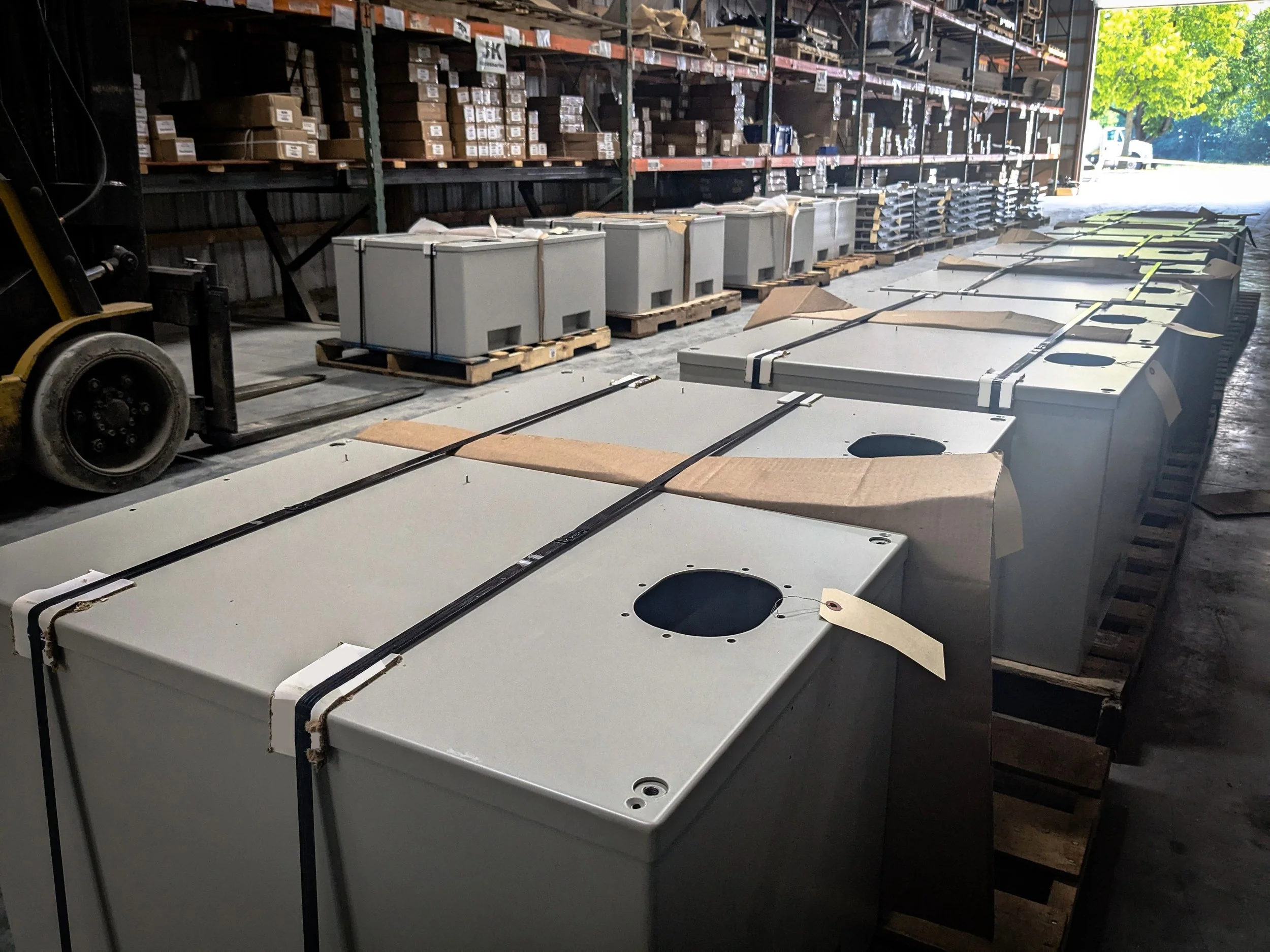
Powder coating is a durable finishing process where dry, electrostatically charged powder is applied to metal parts and cured in an oven, creating a tough, uniform, corrosion-resistant finish without solvents.
Plating
The plating process applies a thin metal coating to fabricated parts using electrochemical methods to improve corrosion resistance, durability, conductivity, and surface appearance.
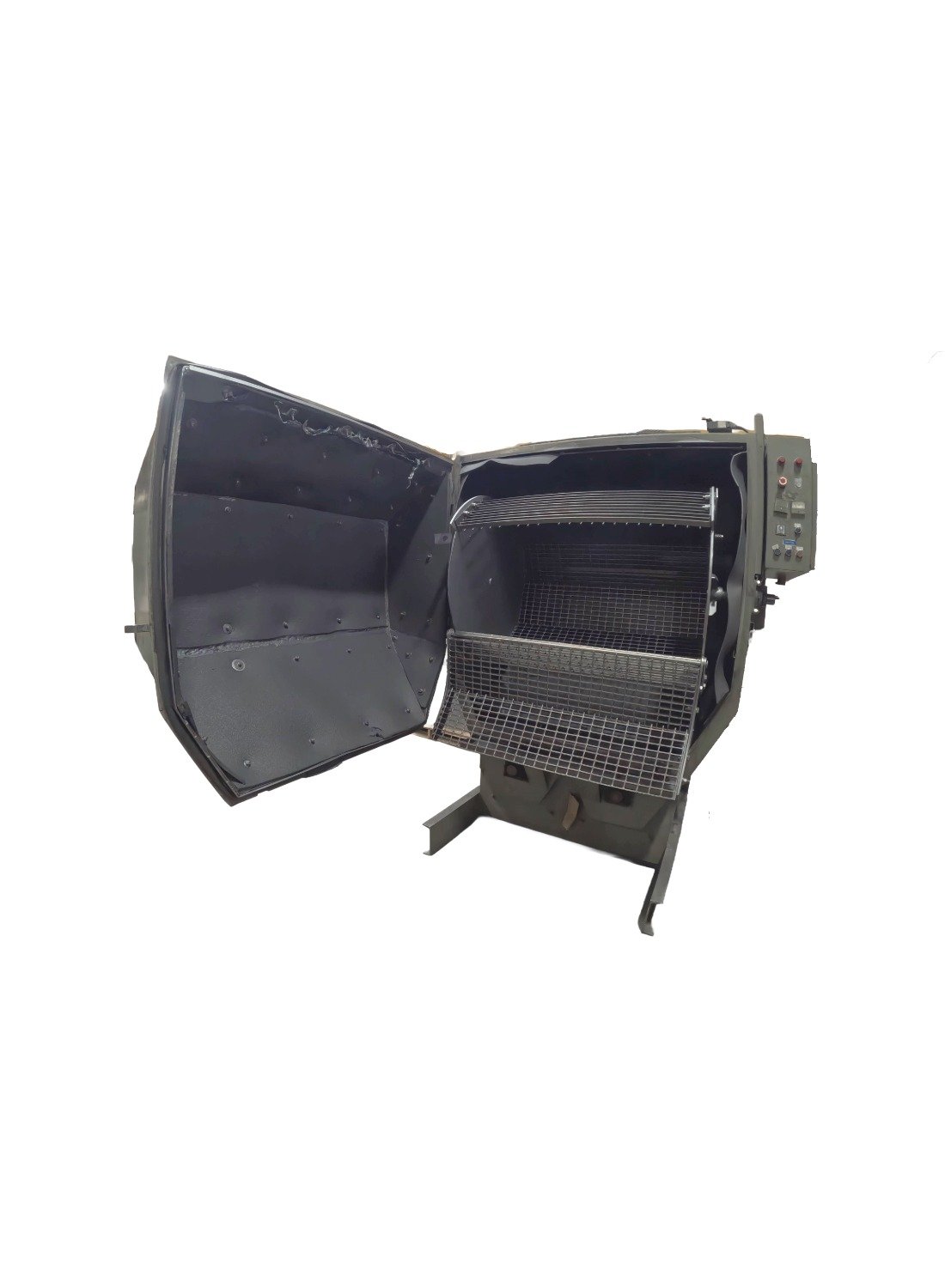
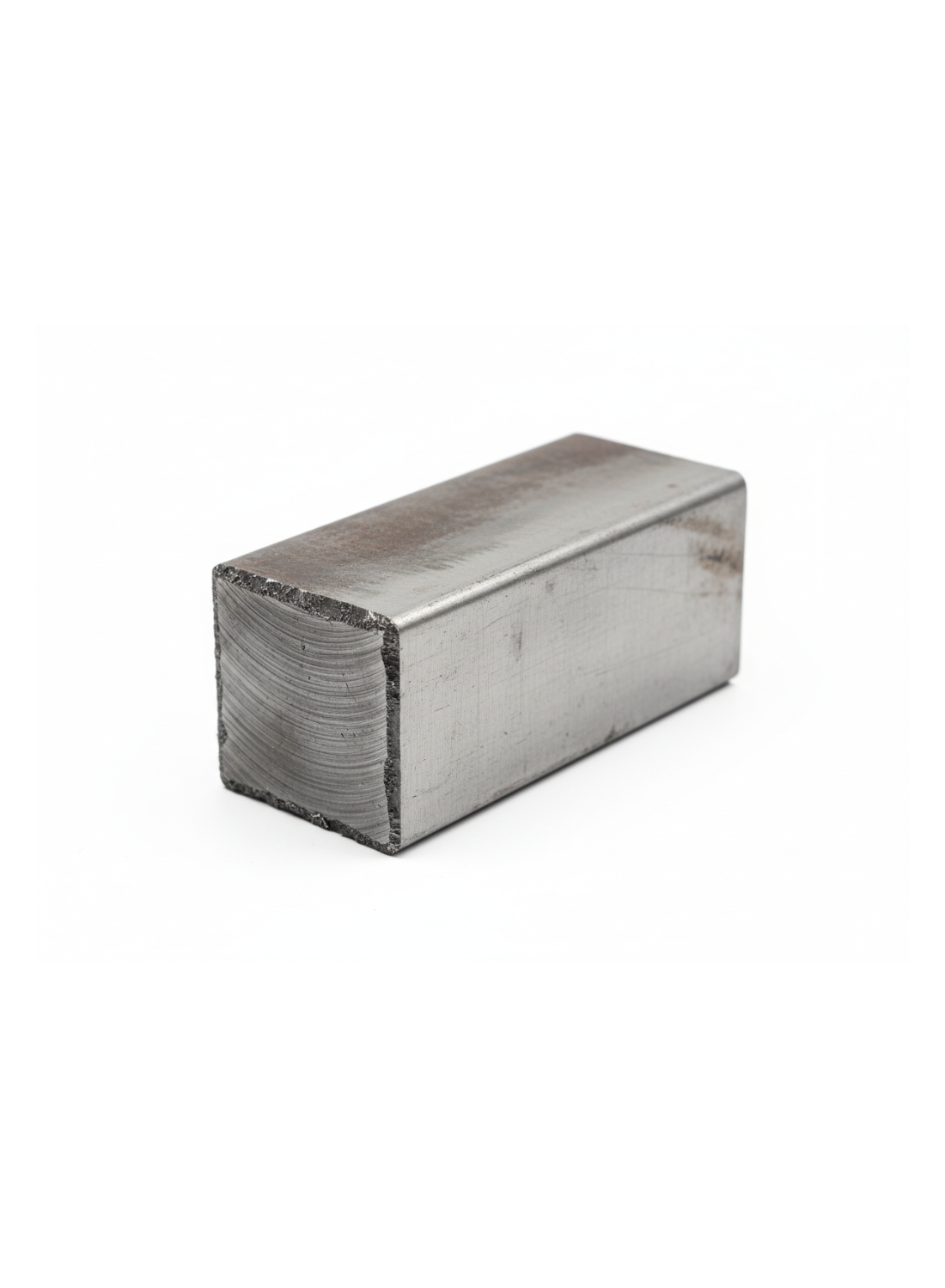
Blasting
Abrasive blasting cleans and prepares metal surfaces by propelling grit at high speed to remove rust, scale, paint, and contaminants, creating a uniform surface profile for coating, welding, or finishing.
Tumbling
Metal tumbling smooths and finishes fabricated parts by rotating them with abrasive media, removing burrs, sharp edges, and surface imperfections to improve consistency, safety, and appearance.
POWDER COATING
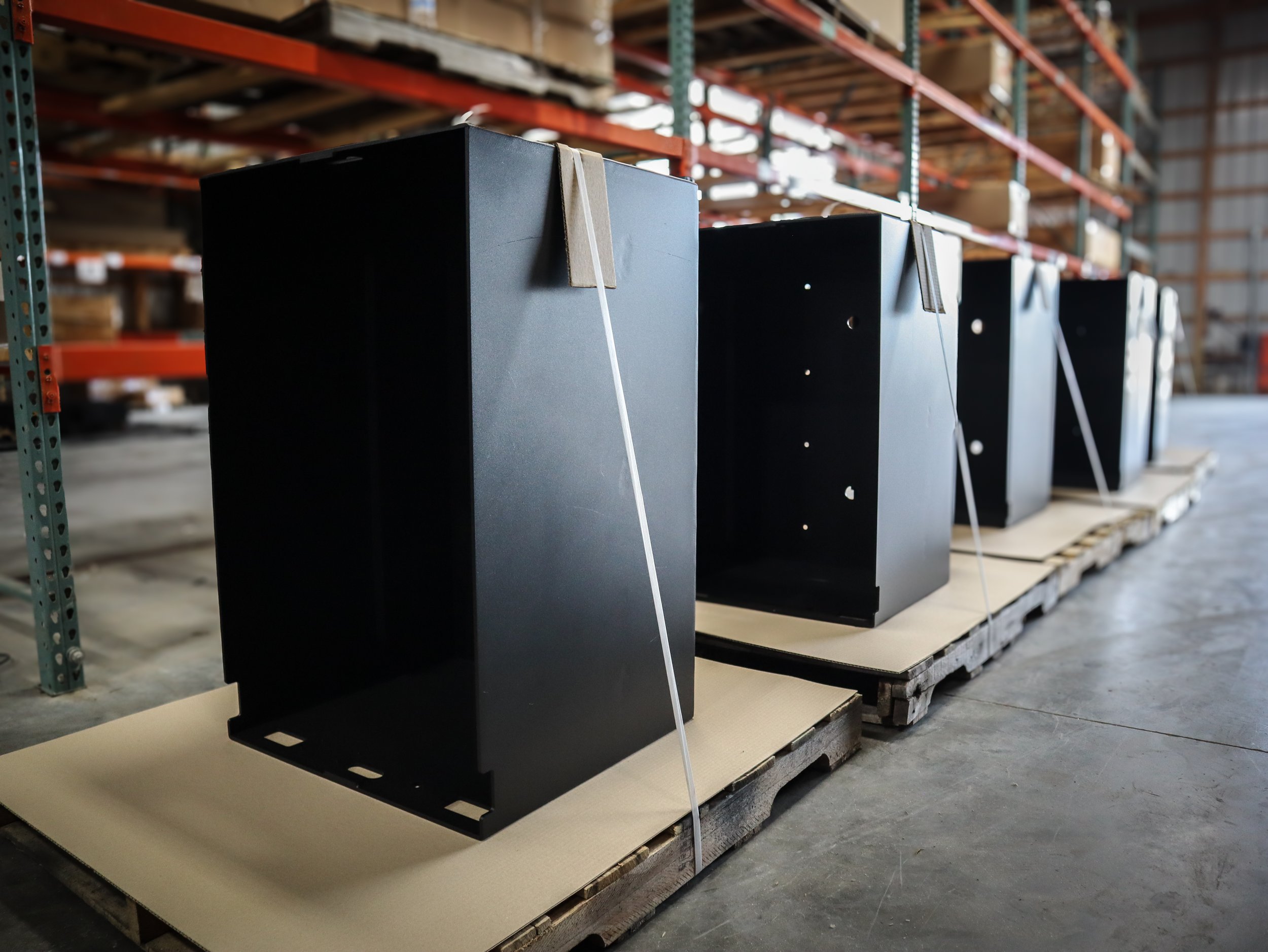
Powder Coating
Powder coating is a durable finishing process that applies a protective and decorative coating to metal parts, enhancing appearance while providing long-lasting resistance to wear and corrosion.
How It Works
A dry powder is electrostatically applied to the metal surface, then cured in an oven where heat causes the powder to melt and form a smooth, uniform coating.
Quality & Accuracy
Powder coating delivers consistent color, thickness, and coverage, resulting in a high-quality finish with excellent adhesion and durability.
Benefits
This process provides superior resistance to chipping, scratching, and corrosion compared to liquid paints. Powder coating is available in a wide range of colors and textures and is ideal for steel, aluminum, and other metal components requiring a clean, professional finish.

PLATING
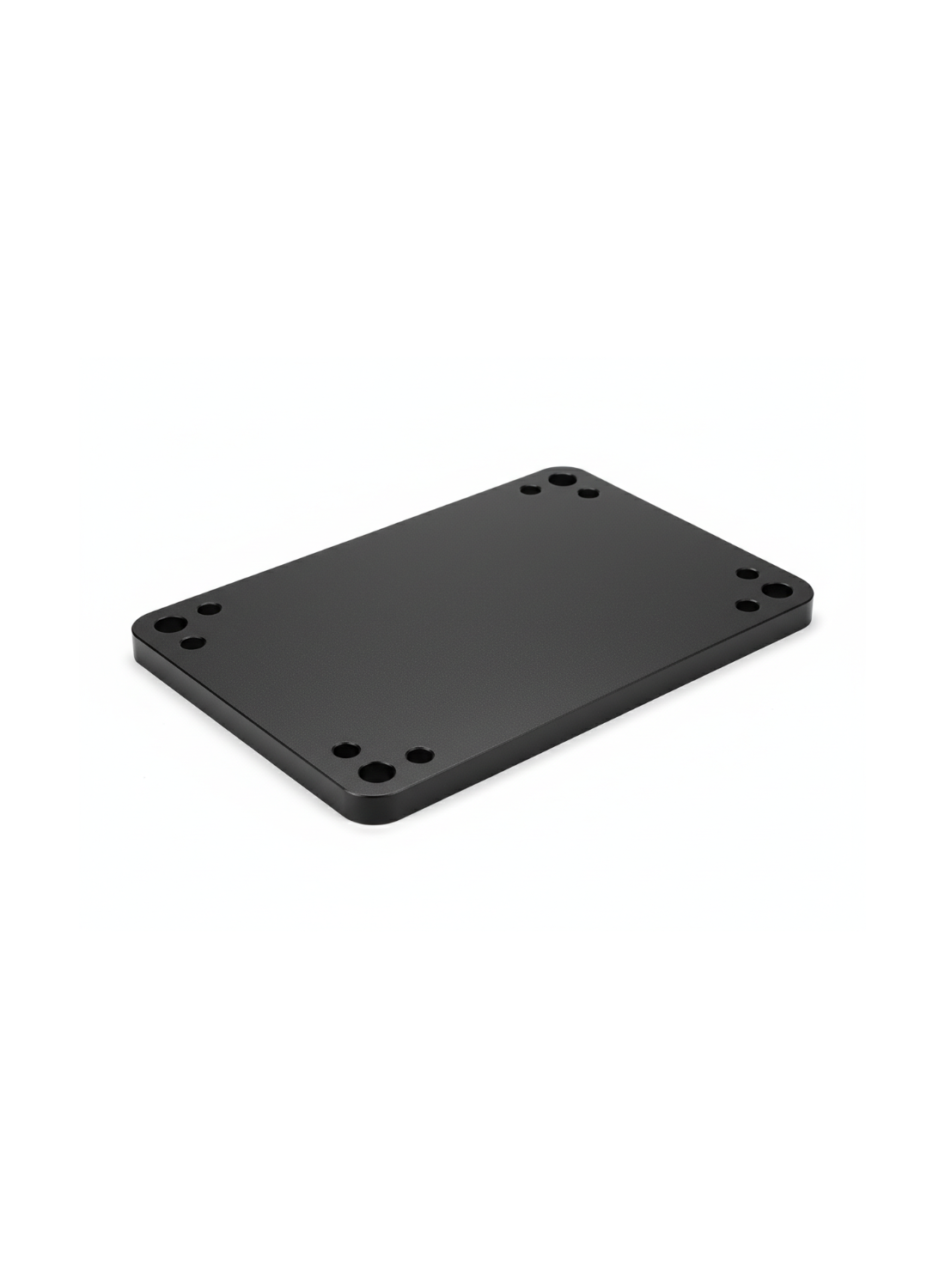
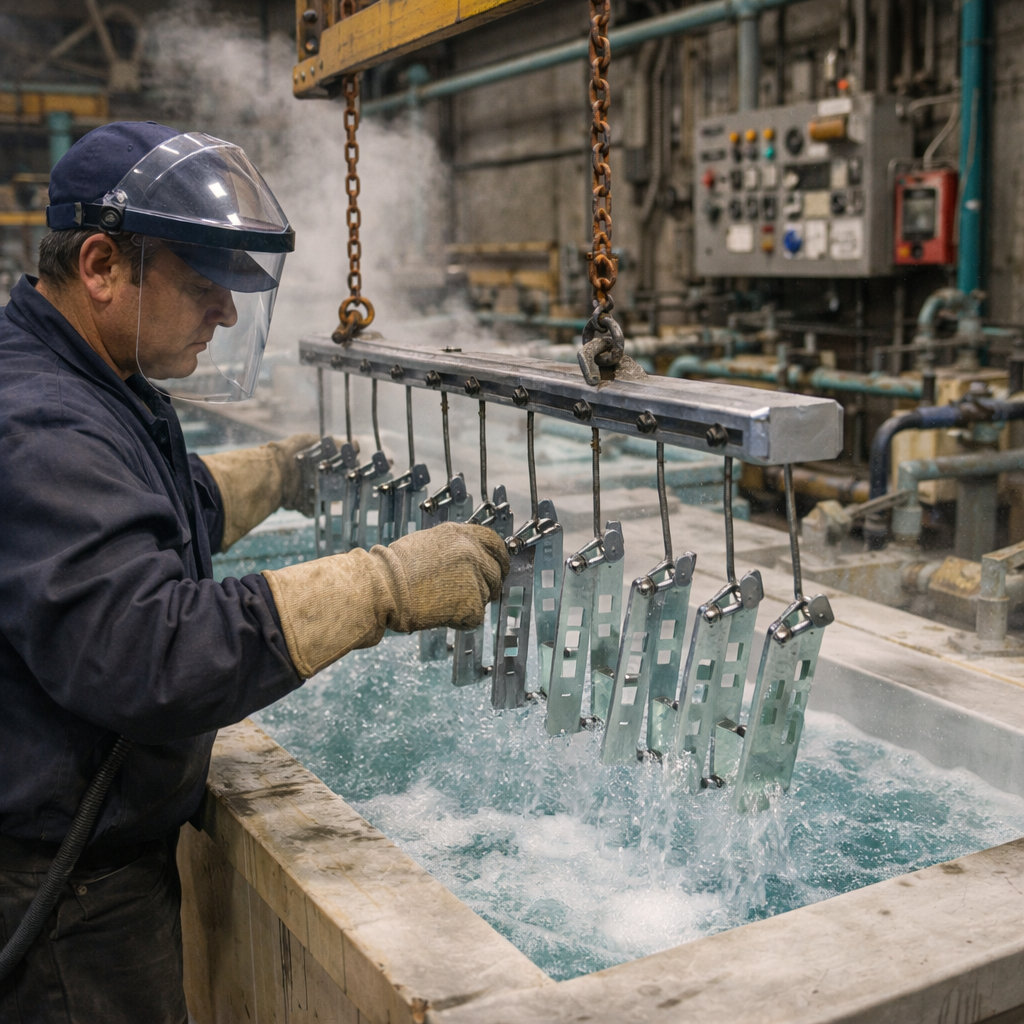
AI-generated illustration of our plating capability. Not a photograph of our facility or staff.
Plating
Plating is a metal finishing process that applies a thin layer of metal onto a part’s surface to improve corrosion resistance, appearance, and functional performance.
How It Works
Through controlled chemical or electrochemical processes, the plating material is deposited evenly onto the base metal, creating a uniform protective coating.
Quality & Accuracy
Plating provides consistent thickness and reliable coverage, ensuring parts meet dimensional, cosmetic, and performance requirements.
Benefits
This process enhances durability, improves wear resistance, and can increase conductivity or solderability. Plating is commonly used on steel, stainless steel, aluminum, and other metals, offering both protective and decorative benefits for fabricated components.
TUMBLING
Tumbling
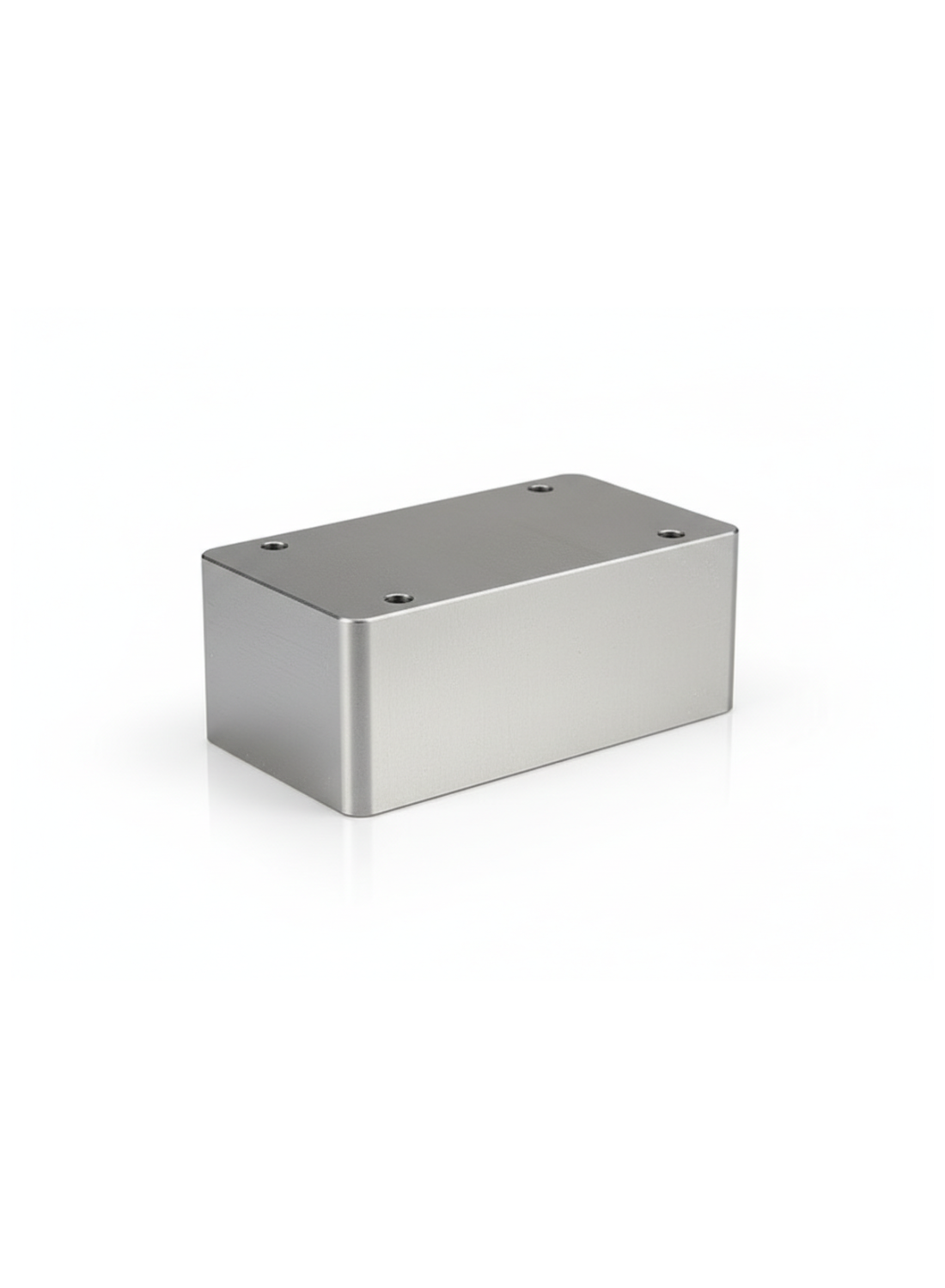
Tumbling is a metal finishing process used to deburr, smooth, and refine metal parts by removing sharp edges and surface imperfections.
How It Works
Parts are placed in a rotating or vibrating tumbler along with abrasive media. As the parts move against the media, controlled abrasion smooths edges and surfaces evenly.
Quality & Accuracy
Tumbling produces uniform finishes across multiple parts while maintaining dimensional consistency and part integrity.
Benefits
This process improves safety, appearance, and part fit while reducing manual finishing time. Tumbling is effective for steel, stainless steel, aluminum, and other metals and is ideal for batch processing of small to medium-sized components.
BLASTING
Blasting
Blasting is a surface preparation process used to clean, texture, and prepare metal parts by removing contaminants such as rust, scale, paint, or residue.
How It Works
A controlled stream of abrasive media is propelled at the metal surface using compressed air or mechanical force. The process effectively cleans and conditions the surface without altering the part’s shape.
Quality & Accuracy
Blasting creates a consistent surface profile that improves coating adhesion while maintaining dimensional accuracy.
Benefits
This process enhances finish quality, extends coating life, and improves overall part durability. Blasting is suitable for steel, stainless steel, aluminum, and other metals and is commonly used prior to painting, powder coating, or plating.