
MACHINING
Drilling / Threading
Manual drilling and threading produce precise holes and internal threads in metal components using drill presses, taps, and hand tools, ensuring proper alignment, fit, and secure fastening during fabrication.
Fastener Insertion
“Fastener insertion is the controlled process of installing studs, nuts, or standoffs into metal parts using pressure or heat to create a permanent, high-strength attachment that ensures proper alignment and structural integrity.
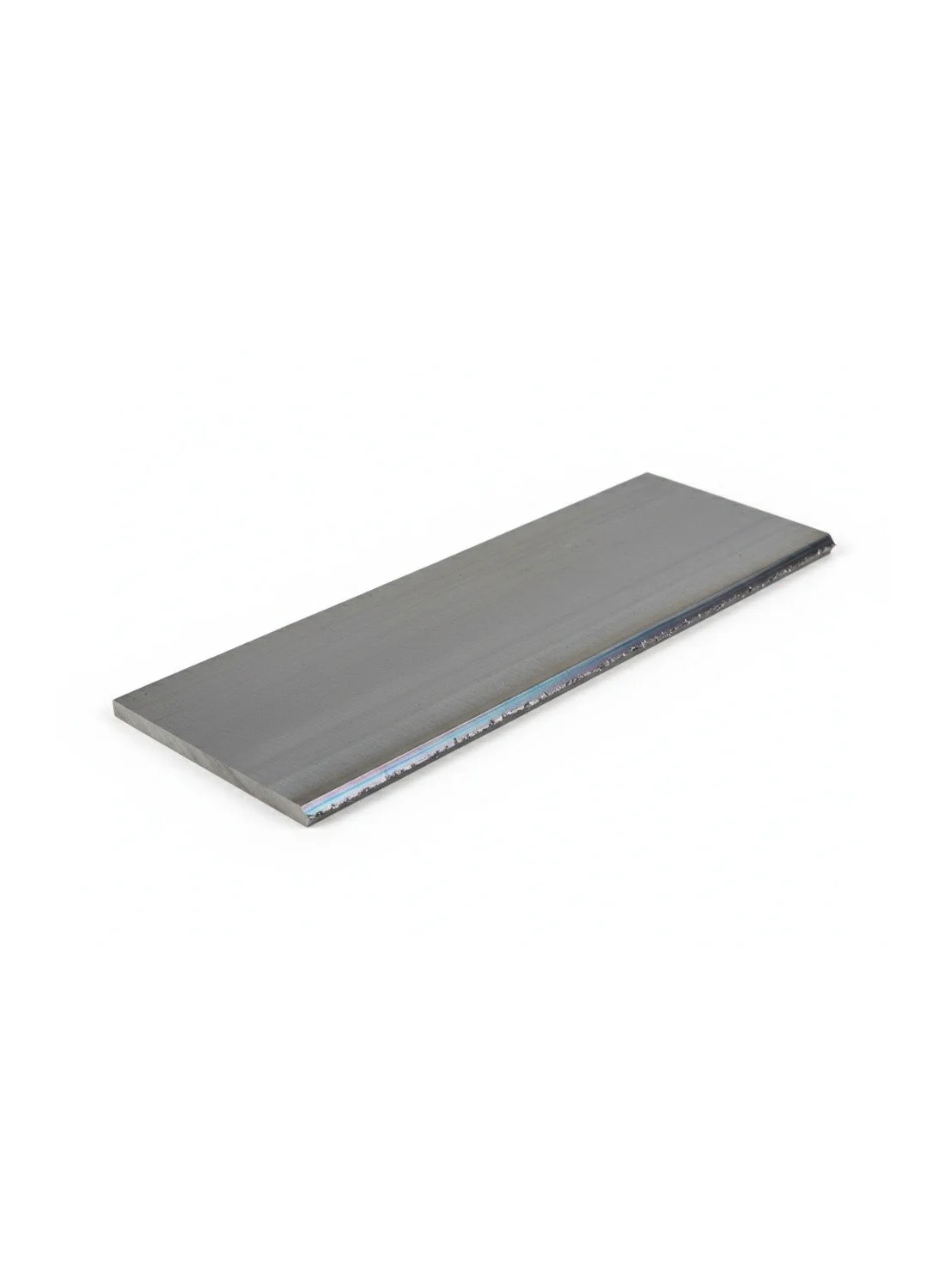
Shearing
Metal shearing is a cutting process where flat metal sheets are precisely cut to size using a shear machine, applying straight-line force to produce clean, accurate edges without generating heat or chips.
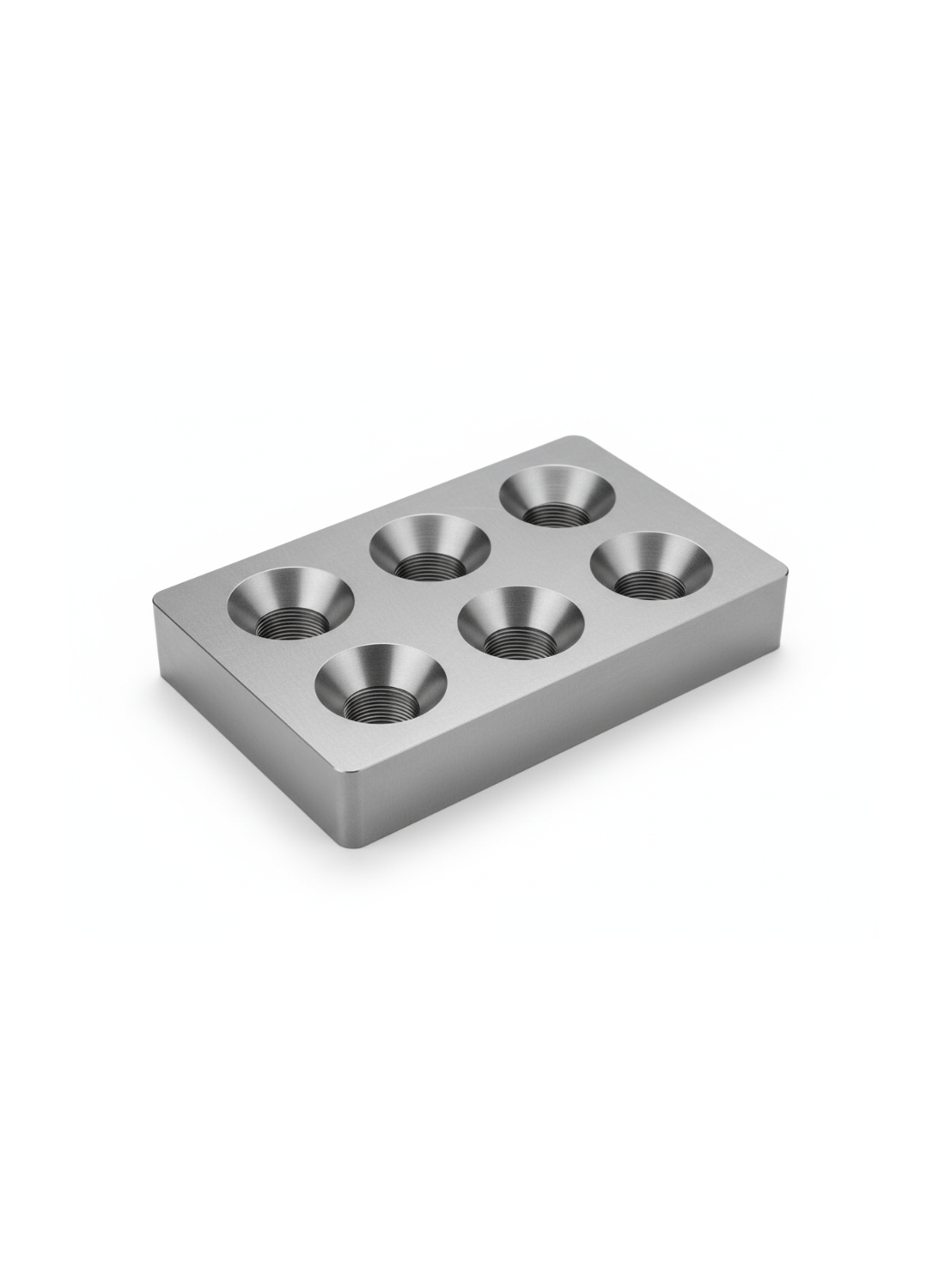
Counter Sinking
Countersinking is a precision machining process that creates a conical recess in a pre-drilled hole so flat-head fasteners sit flush with or below the metal surface, improving fit, strength, and finished appearance.

FASTENER INSERTION
Fastener Insertion
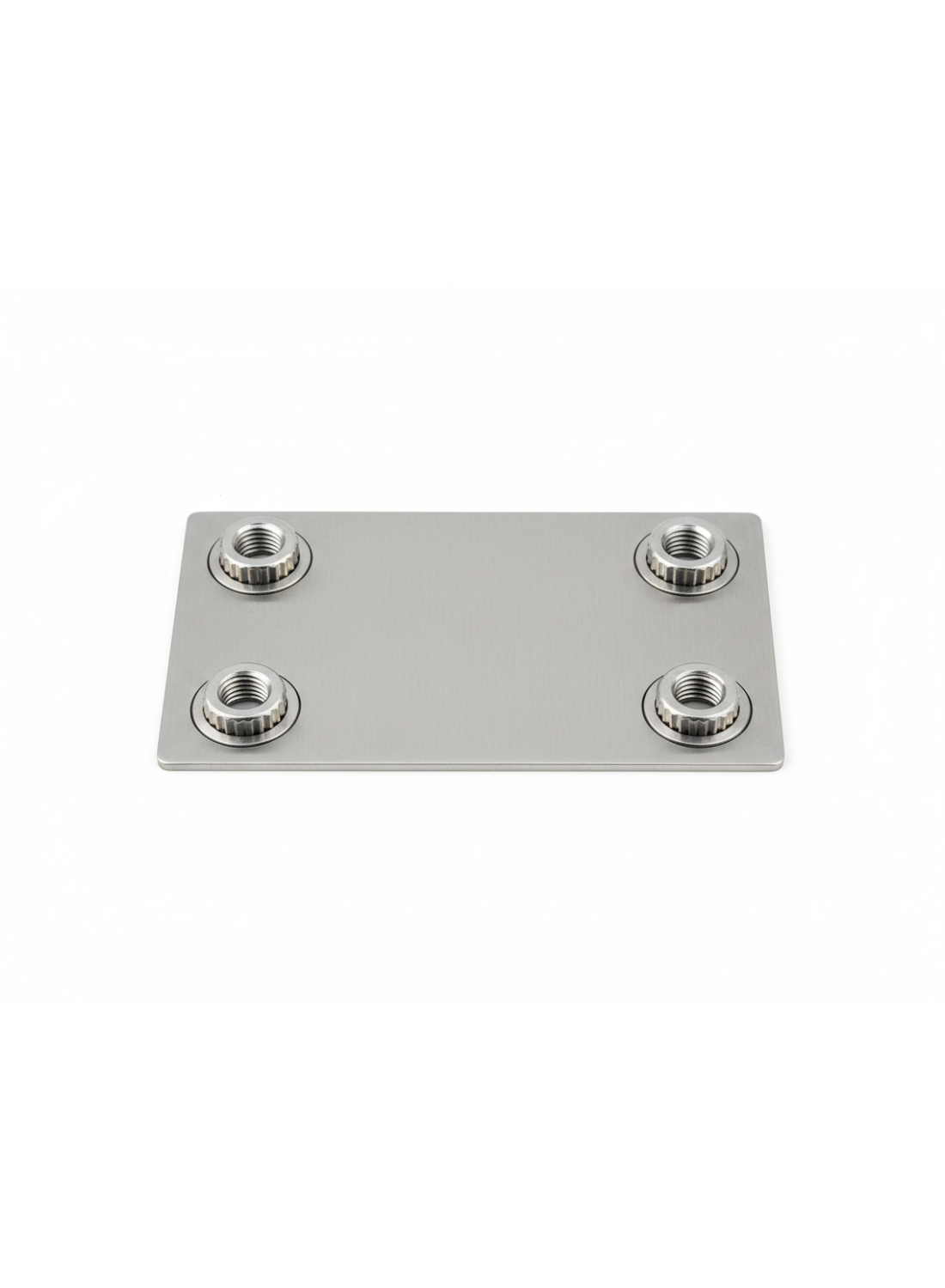
Fastener insertion is a metal fabrication process used to permanently install threaded fasteners, standoffs, or studs into sheet metal to create strong, reliable attachment points for assembly.
How It Works
Using controlled pressure, the fastener is pressed into a prepared hole where it displaces material to lock securely in place without welding or additional hardware.
Quality & Accuracy
This process ensures precise fastener placement with consistent retention strength while maintaining part flatness and dimensional accuracy.
Benefits
Fastener insertion provides durable, reusable threads and eliminates the need for loose hardware. It is ideal for steel, stainless steel, aluminum, and other sheet metals, supporting efficient assembly and long-term performance.
DRILLING / THREADING
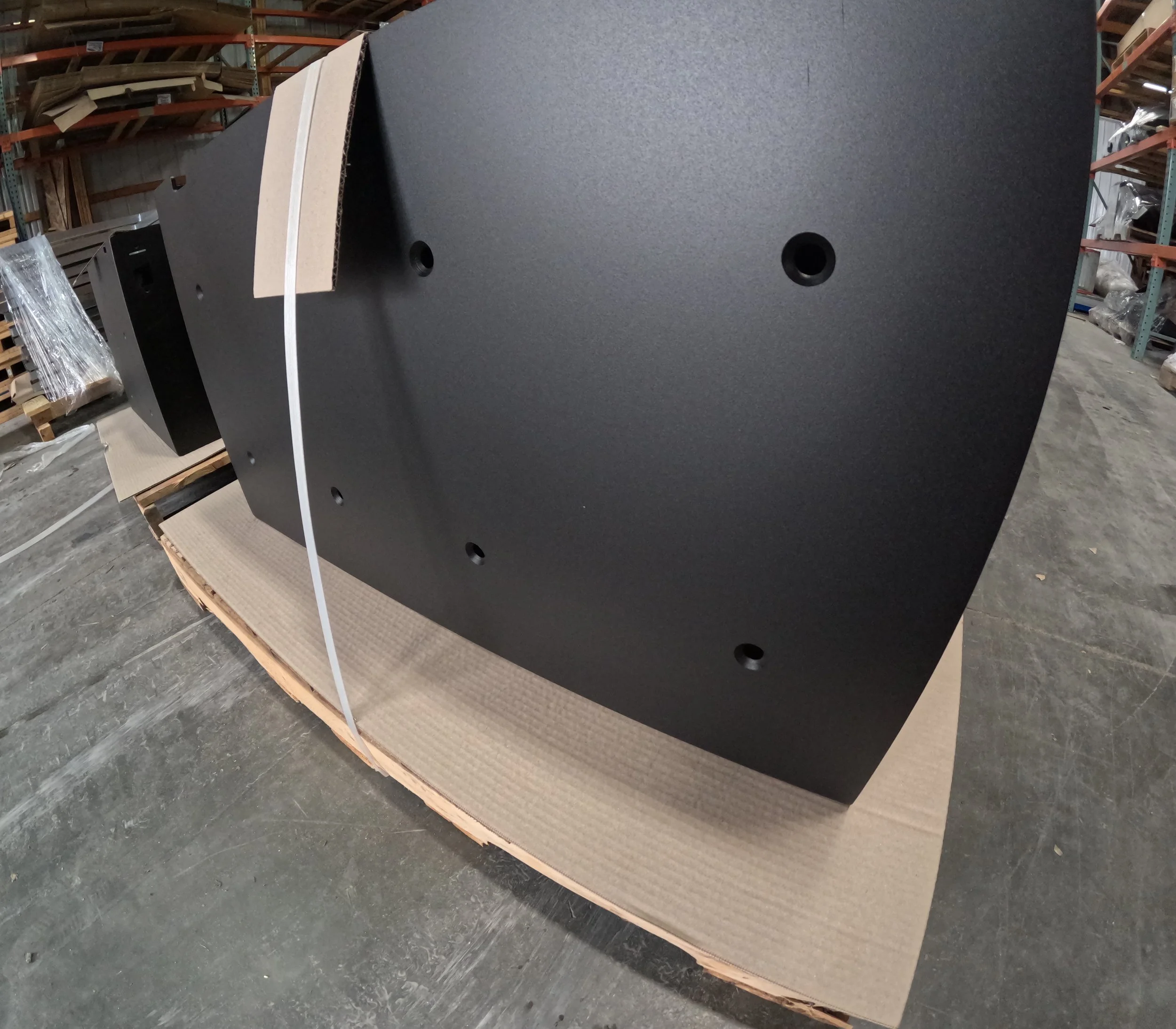
Drilling & Threading
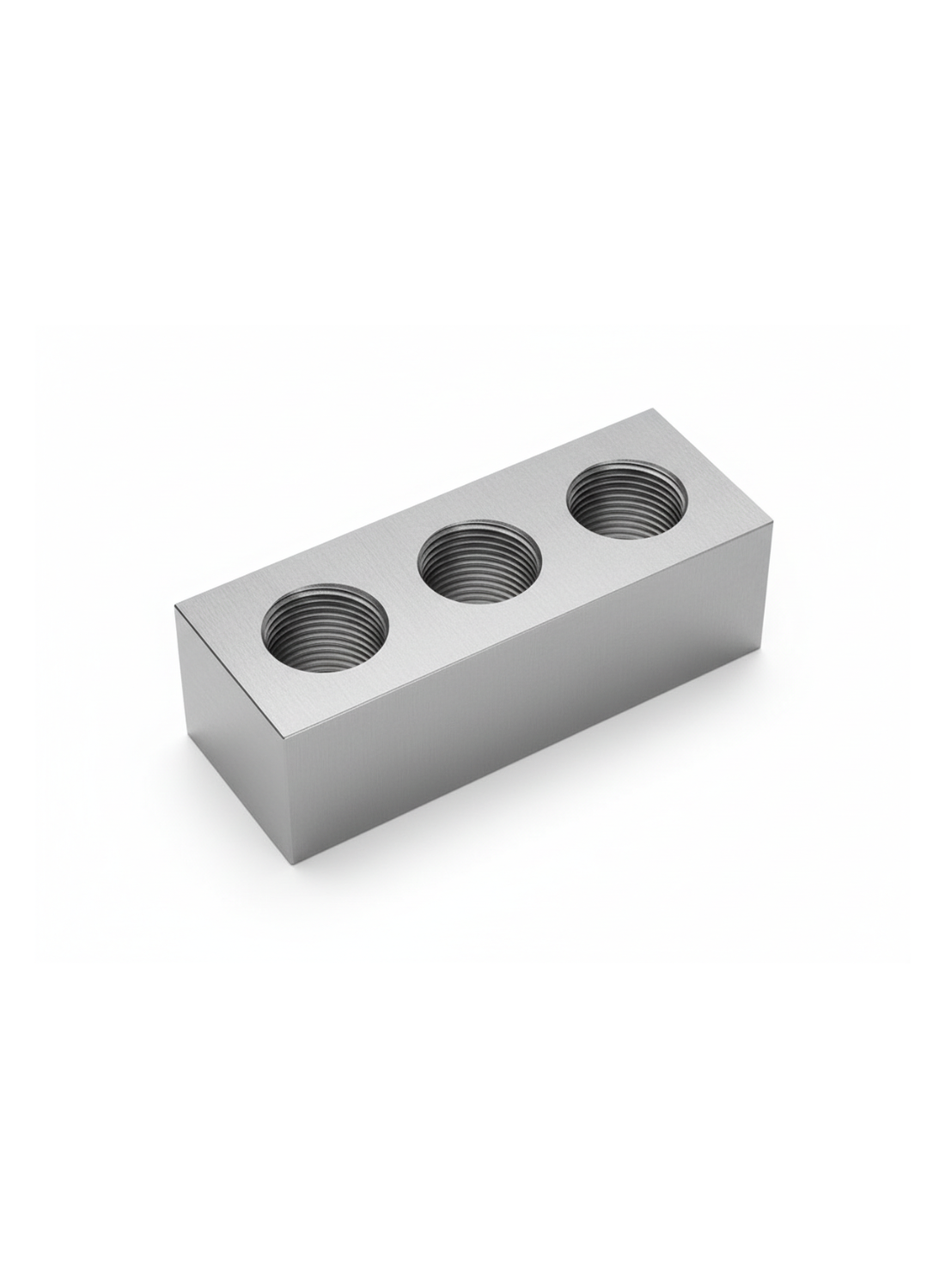
Drilling and threading are precision metal fabrication processes used to create accurate holes and internal threads for fasteners and assembly components.
How It Works
Drilling creates holes at specified locations and depths, while threading forms internal threads using taps or thread-forming tools. Proper setup and tooling ensure clean, accurate results.
Quality & Accuracy
These processes produce consistent hole sizes and thread profiles while maintaining tight tolerances and reliable fastener engagement.
Benefits
Drilling and threading provide secure, reusable fastening solutions without additional hardware. They are suitable for steel, stainless steel, aluminum, and other metals, supporting both prototype and production fabrication.
COUNTERSINKING
Countersinking
Countersinking is a metal fabrication process used to create a conical recess in a drilled hole, allowing flat-head fasteners to sit flush or slightly below the surface of the material.
How It Works
A countersink cutting tool removes material from the top of an existing hole at a controlled angle and depth to match the fastener head geometry.
Quality & Accuracy
The process produces clean, consistent recesses with accurate alignment, ensuring proper fastener seating and maintaining dimensional integrity.
Benefits
Countersinking improves appearance, safety, and assembly quality by eliminating protruding fastener heads. It is suitable for steel, stainless steel, aluminum, and other metals and supports clean, professional finished components.
SHEARING
AI-generated illustration of our shearing capability. Not a photograph of our facility or staff.
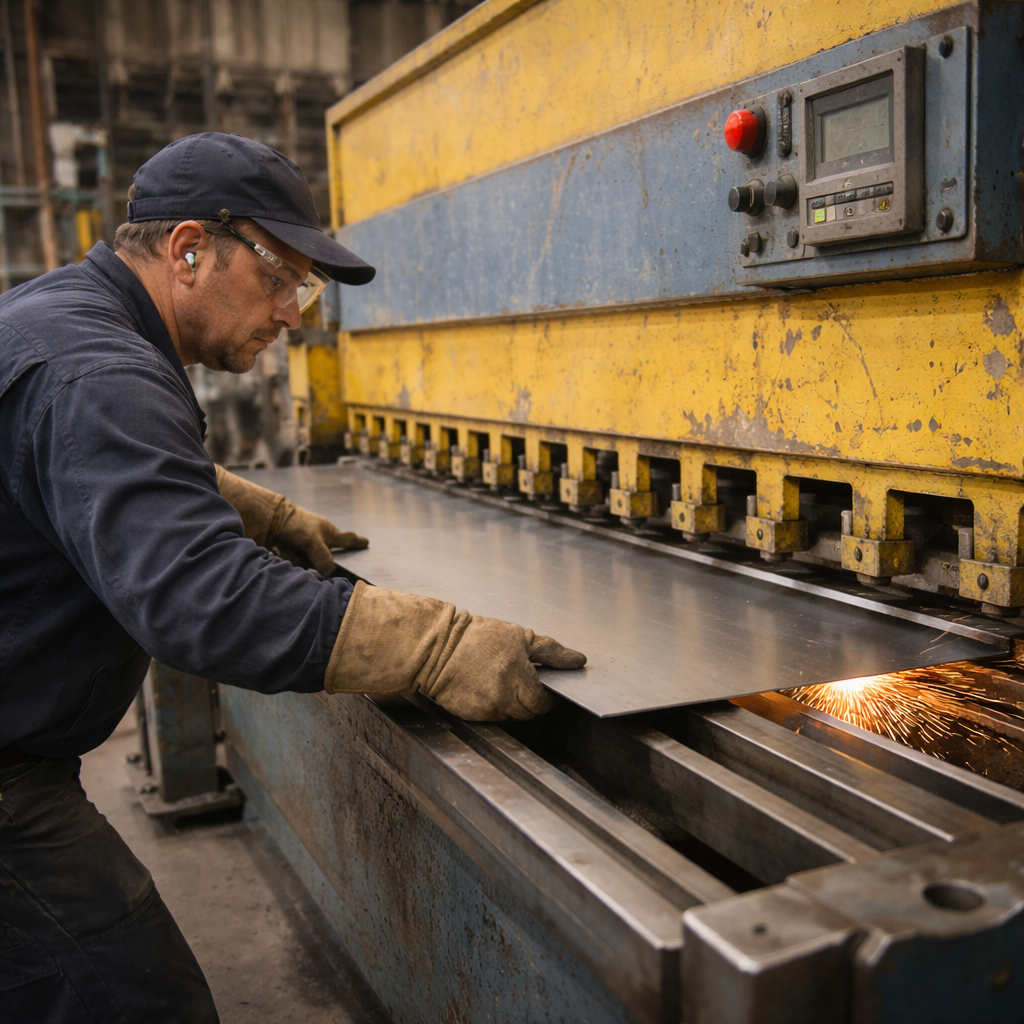
Shearing
Shearing is a metal cutting process used to cut sheet metal to size by applying controlled force along a straight line. It is commonly used for fast, efficient cutting of flat material prior to further fabrication.
How It Works
The process uses upper and lower blades to apply force to the sheet, causing the material to separate cleanly along the cut line. Material is positioned and clamped to ensure straight, accurate cuts.
Quality & Accuracy
Shearing produces clean edges and consistent cut lengths while maintaining dimensional accuracy and minimizing distortion.
Benefits
This process is fast, cost-effective, and ideal for cutting steel, stainless steel, aluminum, and other sheet metals. Shearing supports high-volume production and improves efficiency in downstream fabrication operations.