
Other Capabilities
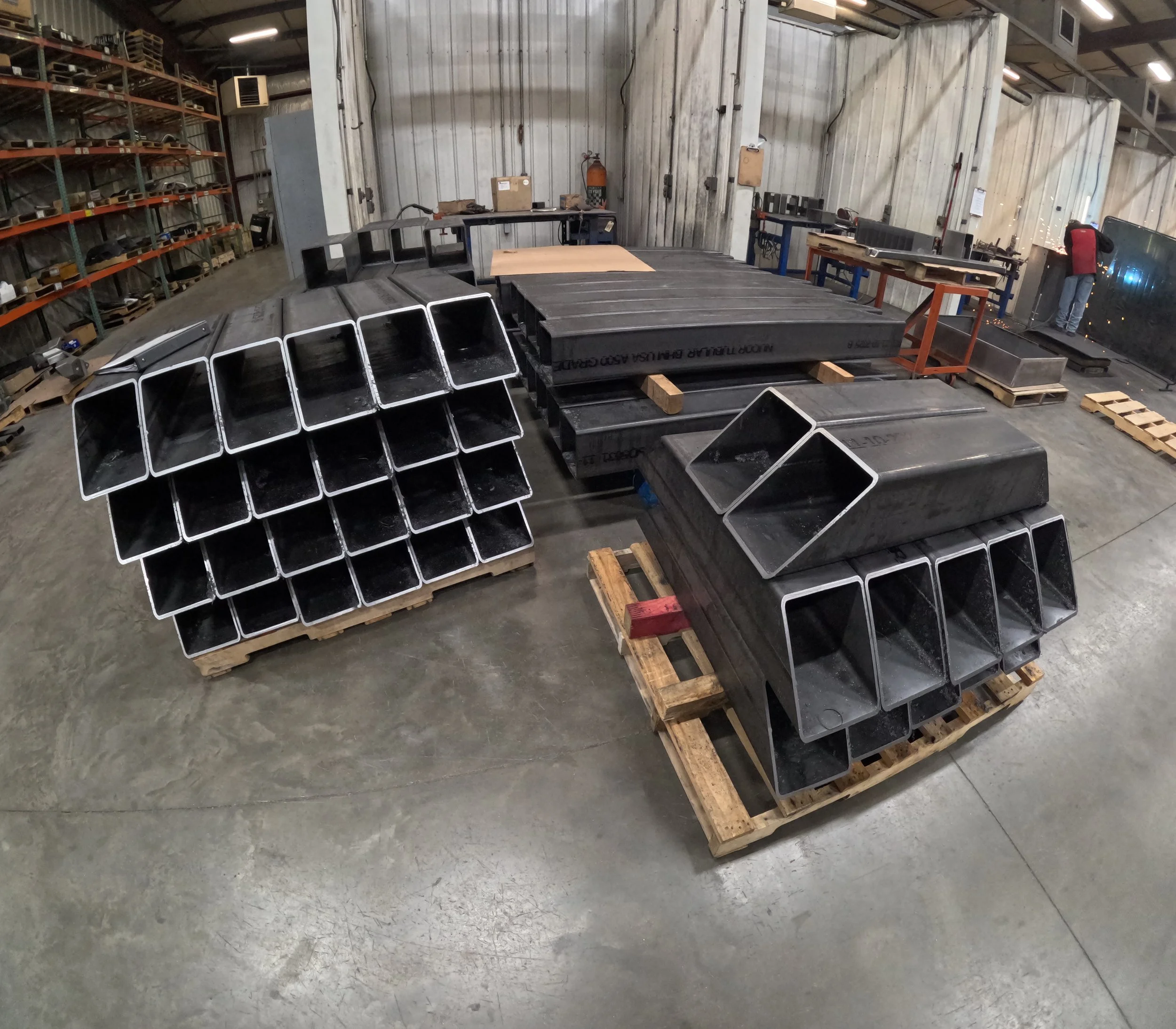
Packaging
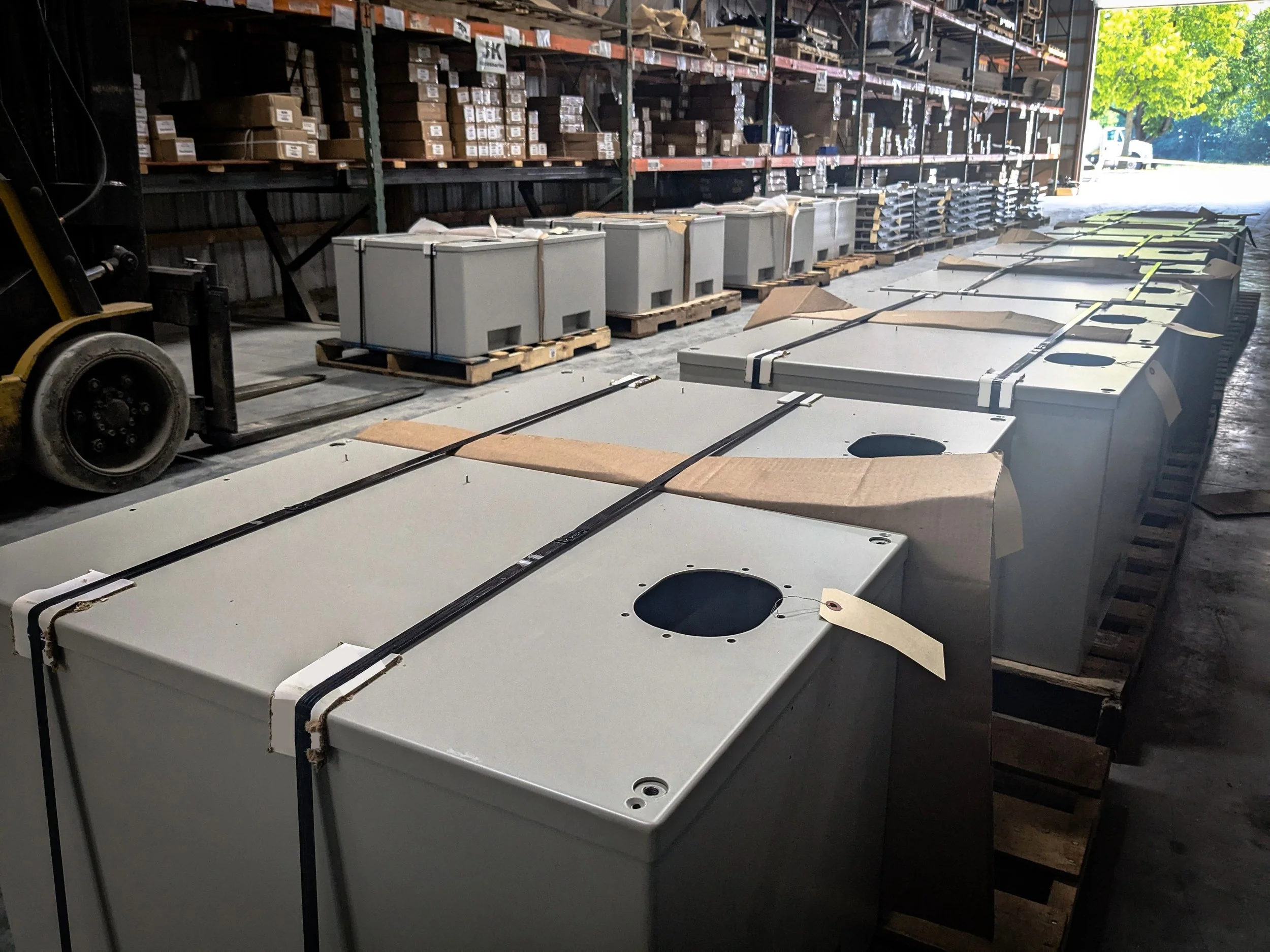
Packaging at a metal fabrication facility involves inspecting finished parts, protecting surfaces with appropriate materials, bundling or crating components, labeling, and preparing shipments to prevent damage during handling and transport.
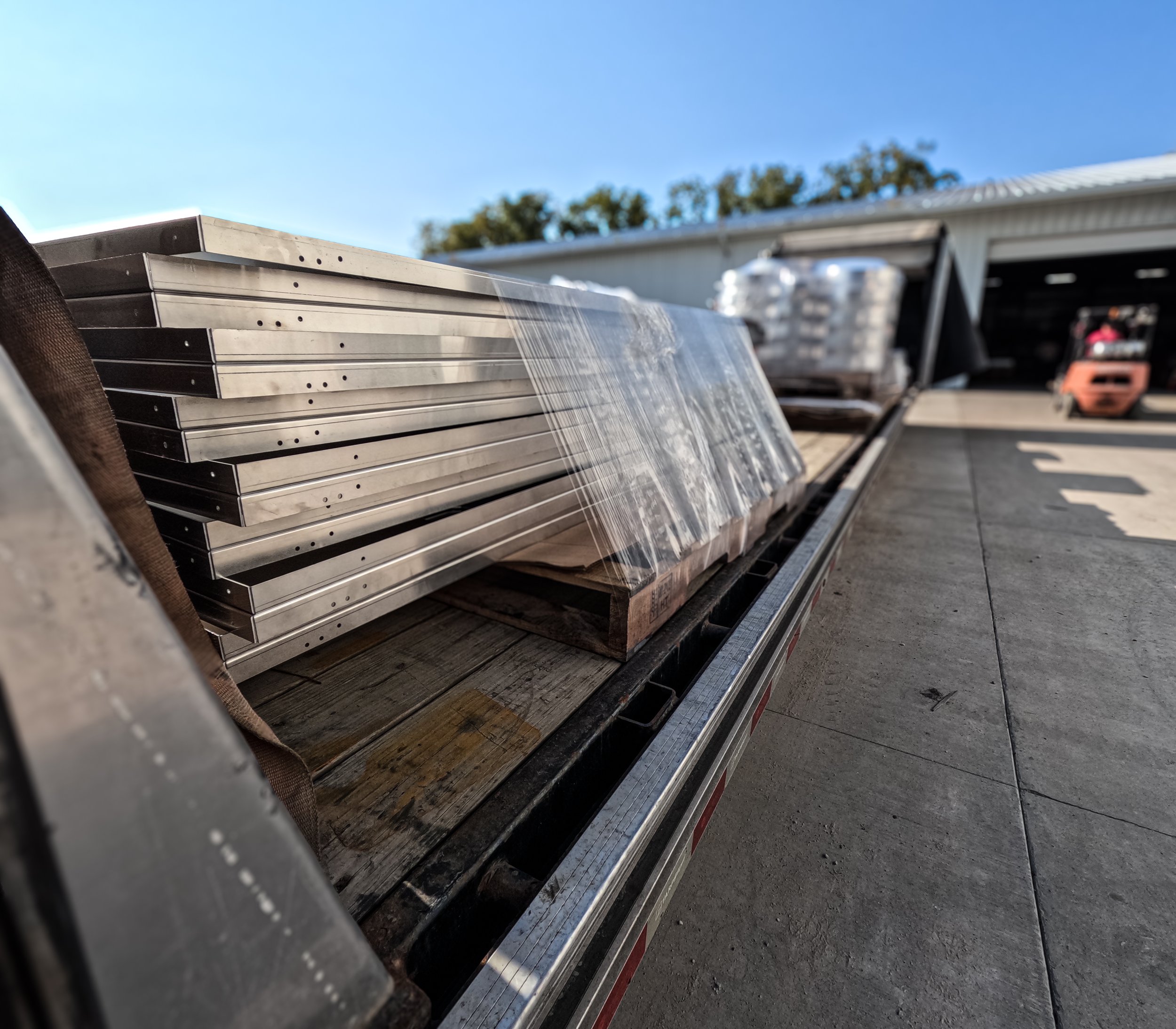
Shipping
Shipping at a metal fabrication facility involves packaging finished parts, verifying quantities and quality, preparing documentation, loading trucks safely, and coordinating carriers to ensure on-time, damage-free delivery to customers.
Quality Inspection
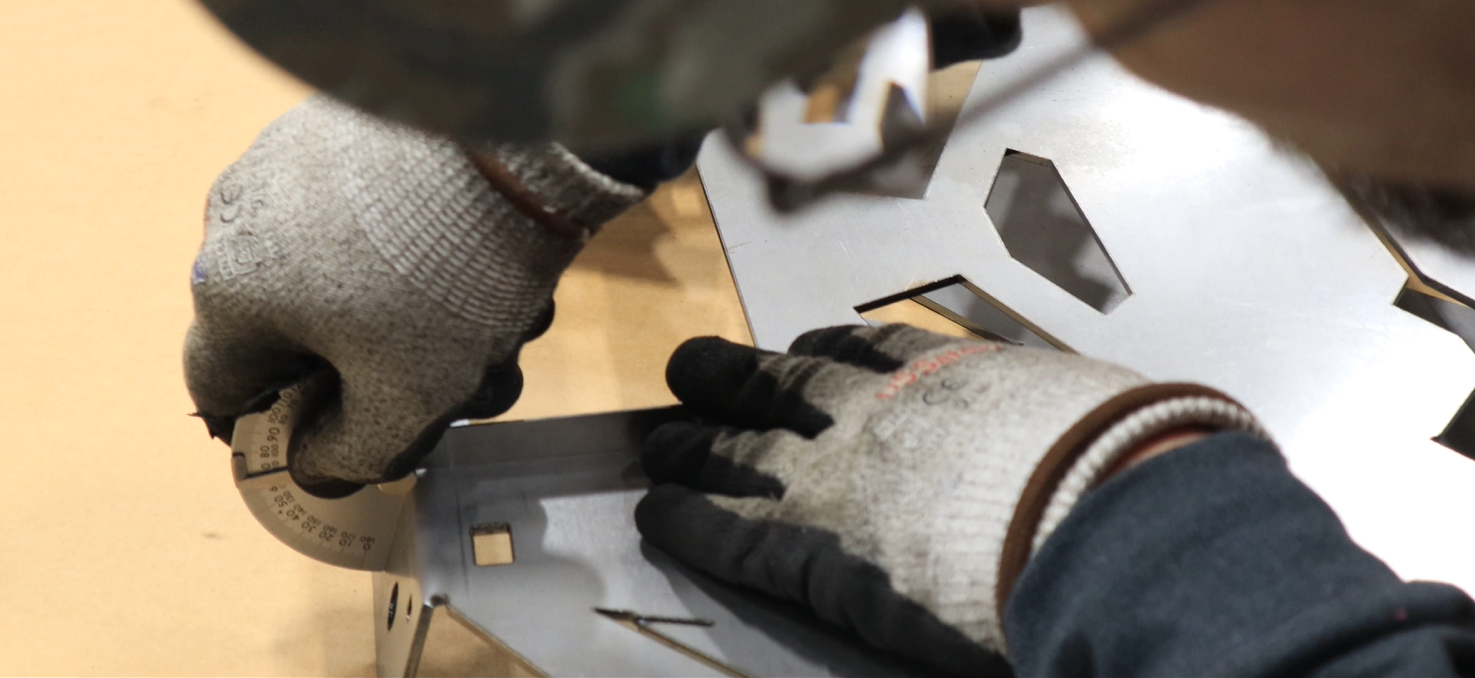
A systematic process of verifying raw materials, in-process work, and finished metal components to ensure dimensional accuracy, structural integrity, and compliance with specifications, standards, and customer requirements..
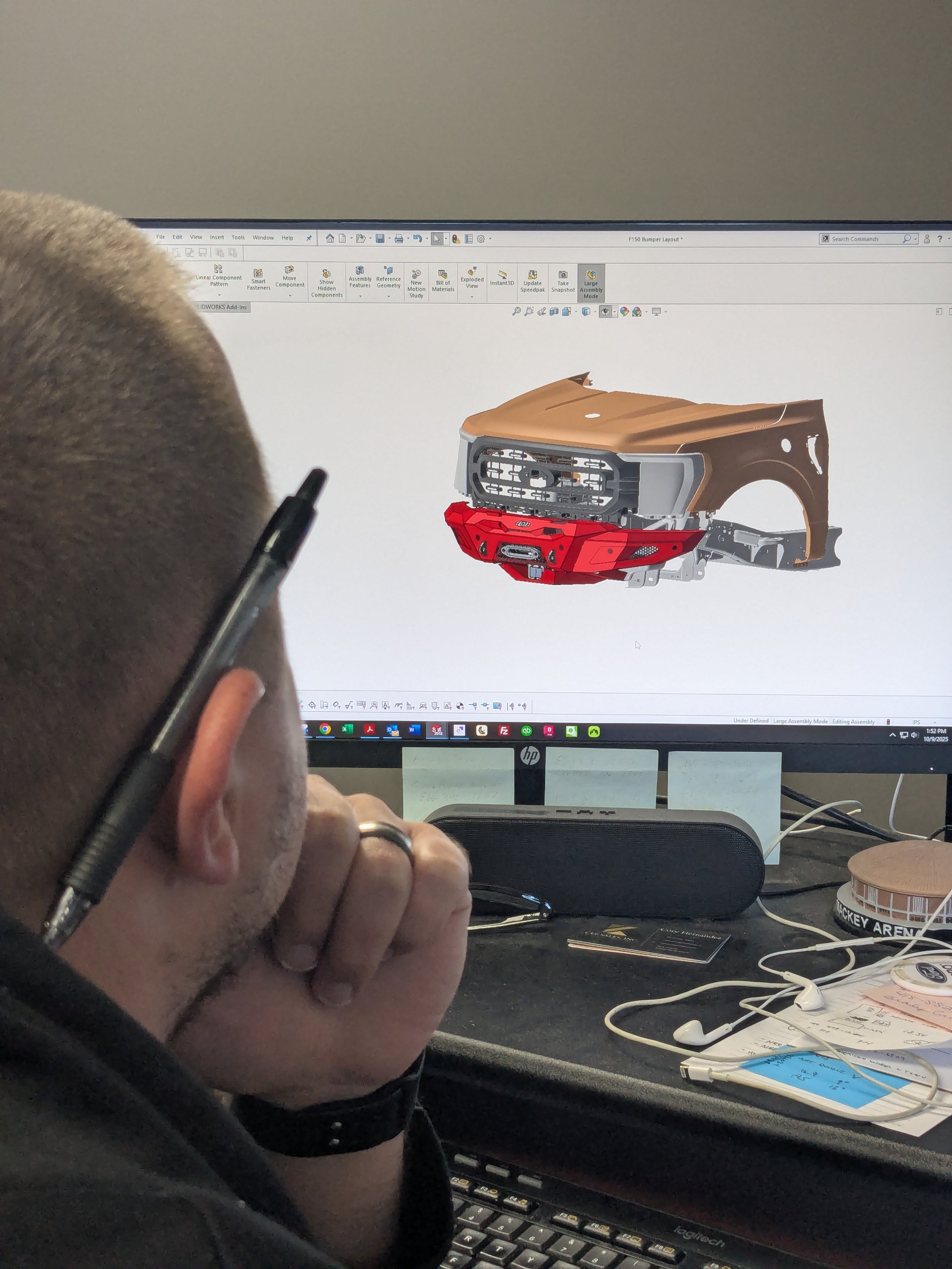
CAD Design
CAD engineers translate customer requirements into precise 2D and 3D models, optimizing parts for manufacturability, accuracy, and efficiency before cutting, forming, and welding in the metal fabrication process.

CAD DESIGN
CAD Design
CAD design is the process of creating detailed digital models and drawings that define part geometry, dimensions, and fabrication requirements before production begins.
How It Works
Using specialized design software, parts and assemblies are developed from customer specifications or concepts. Designs are refined to ensure proper fit, function, and manufacturability.
Quality & Accuracy
CAD design provides precise control over dimensions and tolerances, allowing for accurate visualization and consistent translation to fabrication processes.
Benefits
This process reduces errors, improves efficiency, and ensures parts are optimized for fabrication. CAD design supports seamless integration with cutting, forming, and assembly operations, resulting in reliable, high-quality finished components.
Quality Inspection
Quality inspection is a critical process used to verify that fabricated parts meet specified requirements for dimensions, performance, and overall workmanship.
How It Works
Parts are inspected at key stages of production using calibrated measuring tools and visual checks. Inspections confirm dimensions, tolerances, and surface quality throughout the fabrication process.
Quality & Accuracy
This process ensures consistent compliance with specifications and helps identify issues early, maintaining high standards of accuracy and reliability.
Benefits
Quality inspection reduces defects, improves consistency, and ensures customer requirements are met. It supports reliable production, traceability, and confidence in the final fabricated components.
QUALITY INSPECTION
PACKAGING
Packaging
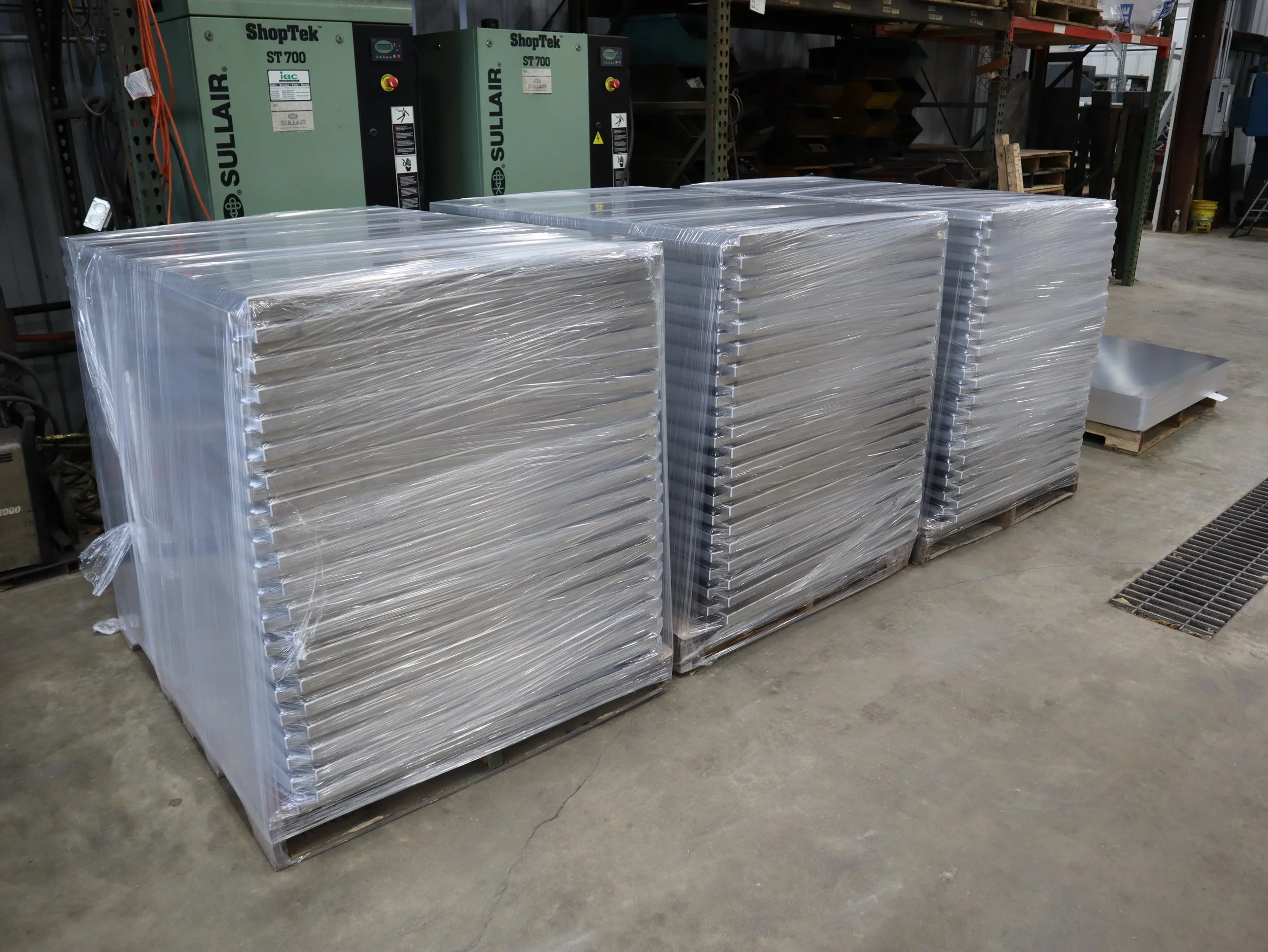
Packaging is the final stage of the metal fabrication process, focused on protecting finished parts during handling, storage, and transportation.
How It Works
After inspection, parts are organized, labeled, and packaged using protective materials such as wraps, separators, pallets, or custom containers to prevent movement, scratching, or damage.
Quality & Accuracy
Proper packaging preserves part dimensions, surface finishes, and order accuracy, ensuring components arrive in ready-to-use condition.
Benefits
This process minimizes damage risk, improves shipping efficiency, and supports on-time delivery. Effective packaging ensures fabricated parts maintain their quality from the facility to the customer.
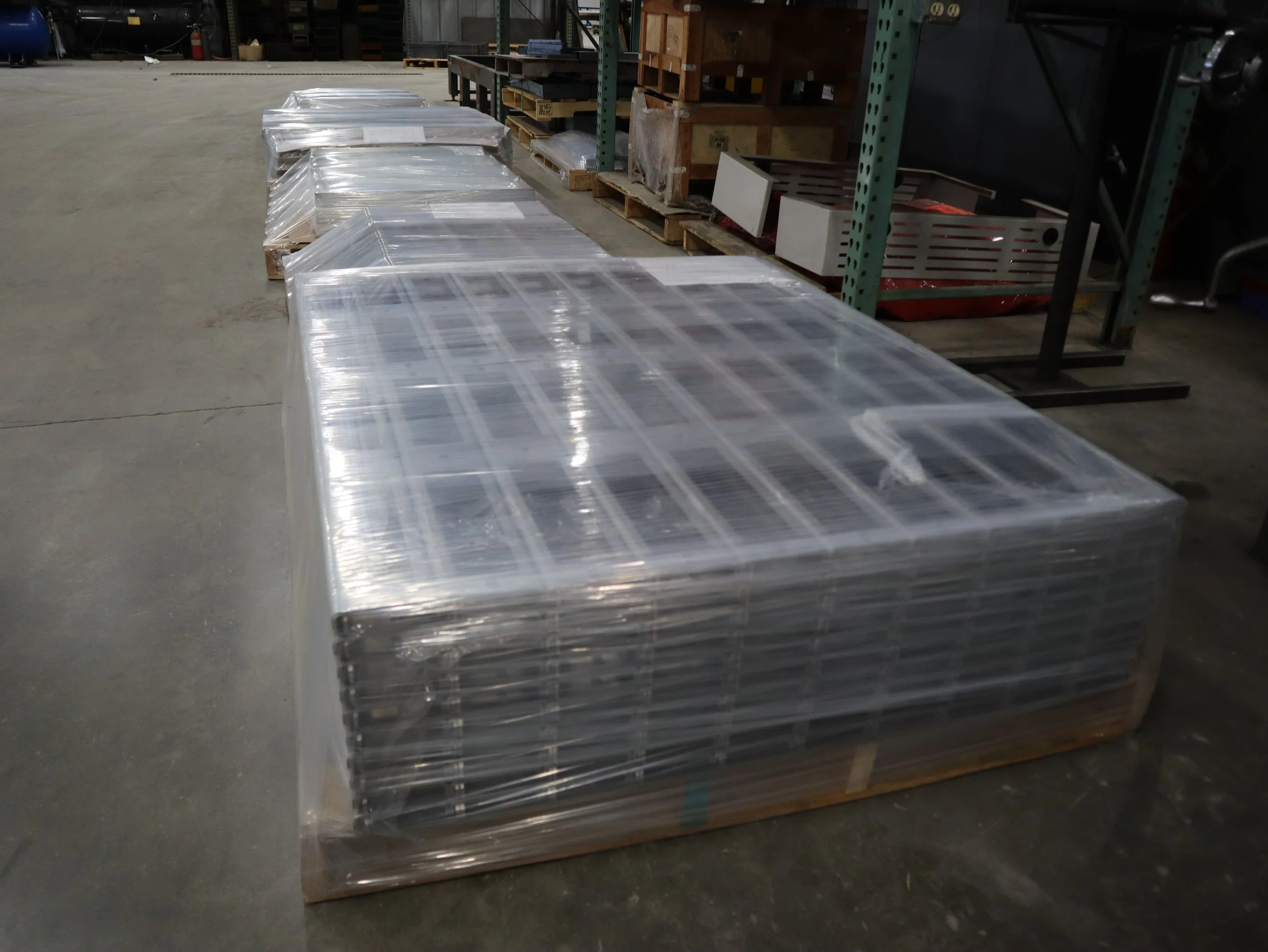
SHIPPING
Shipping
Shipping is the final logistics process that ensures completed fabricated parts are delivered safely, accurately, and on schedule to the customer.
How It Works
After packaging, orders are prepared for shipment by verifying quantities, documentation, and delivery requirements. Parts are loaded and transported using appropriate carriers to meet delivery timelines.
Quality & Accuracy
Shipping procedures focus on order accuracy, proper handling, and secure transport to maintain part quality throughout transit.
Benefits
This process supports reliable delivery, reduces delays, and provides customers with confidence that their fabricated components will arrive complete and ready for use. Effective shipping ensures a smooth transition from production to delivery.