
WELDING
Grinding
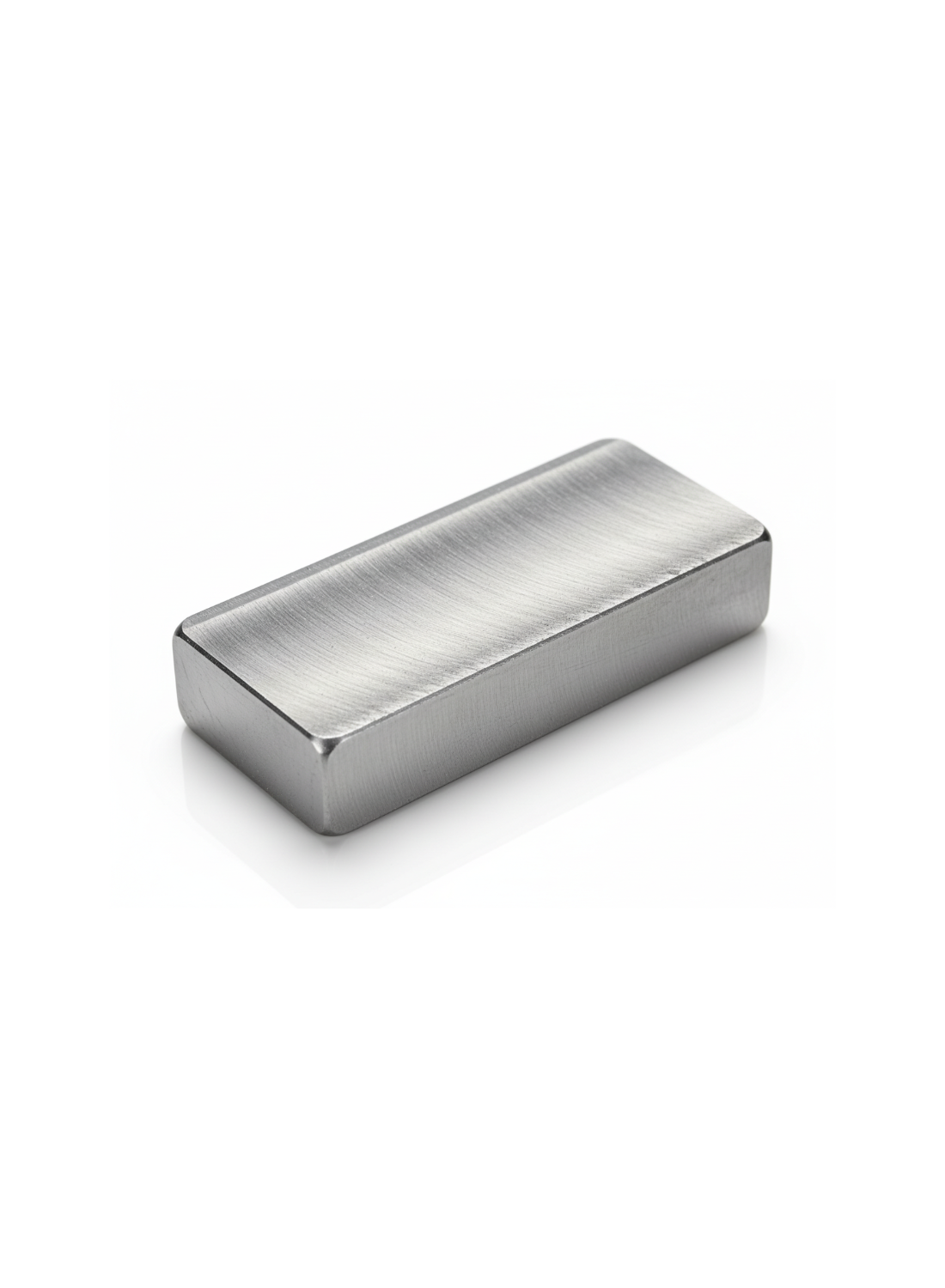
Grinding is a finishing process where abrasive wheels remove excess material, smooth surfaces, and refine dimensions on metal parts to achieve precise tolerances, improved surface quality, and proper fit or function.
Plasma Cutting
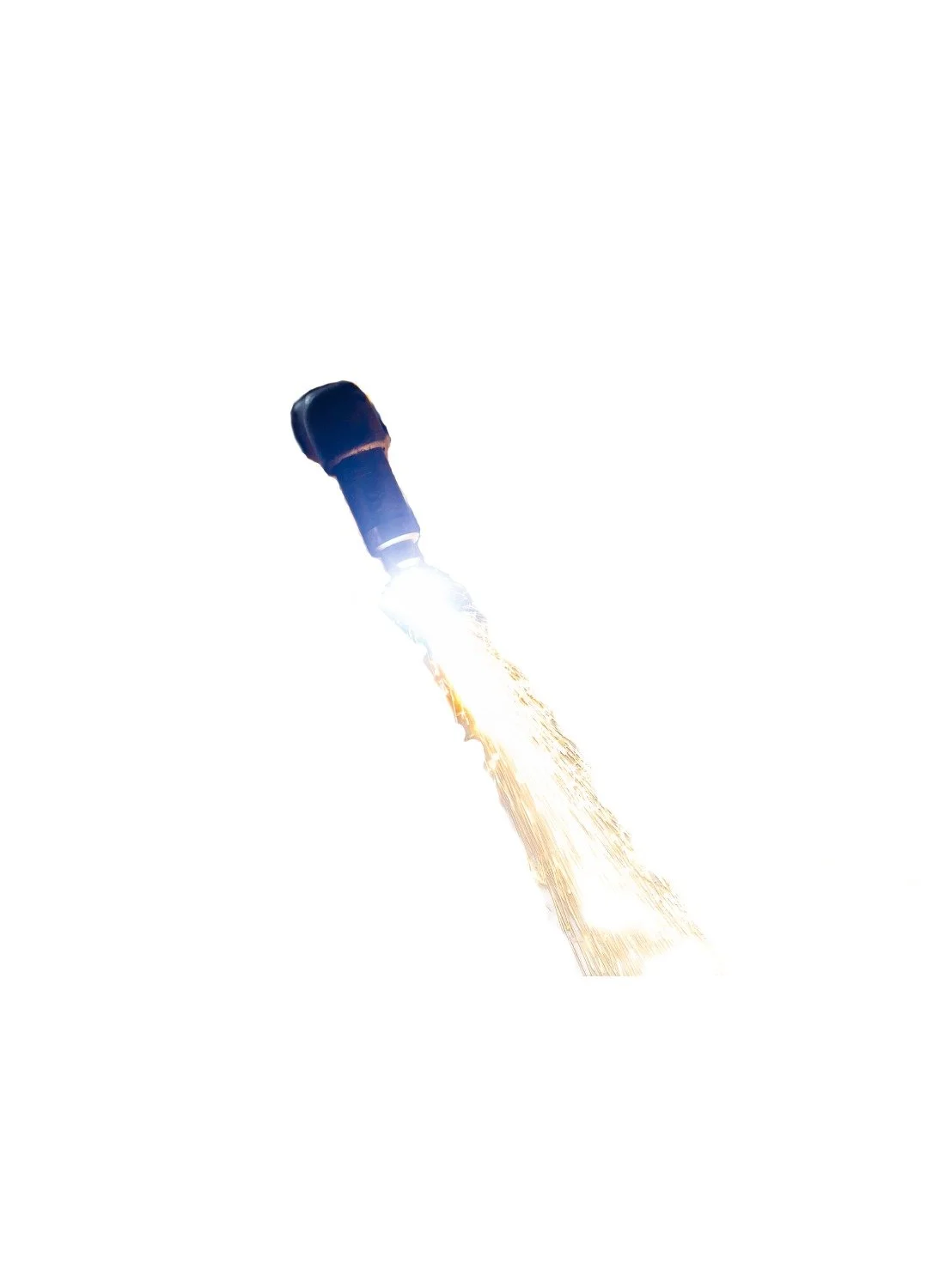
Plasma cutting uses a high-temperature, ionized gas stream to precisely cut conductive metals. An electric arc melts the metal while the plasma jet blows molten material away, producing fast, accurate cuts.
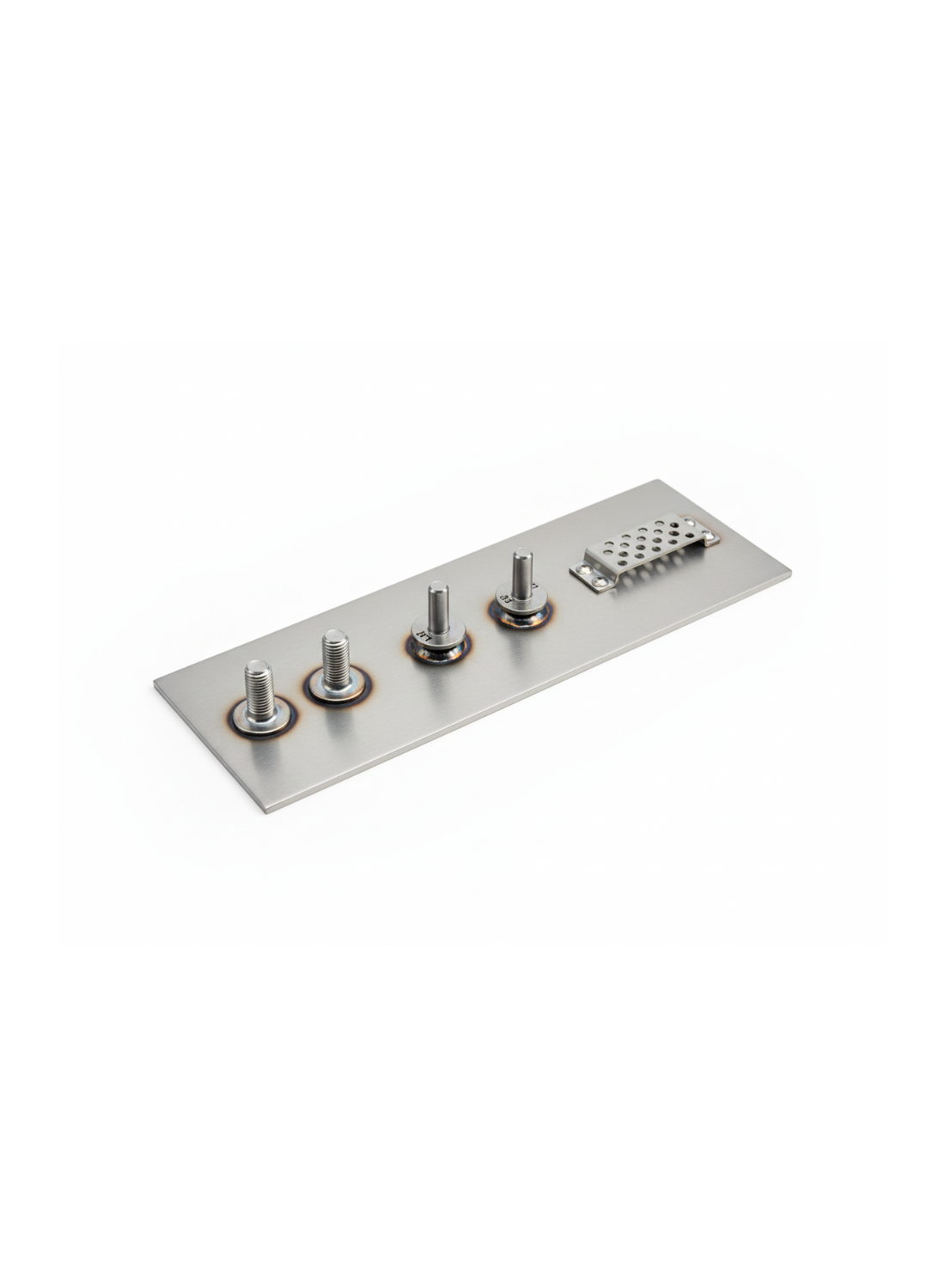
Fastener Spot Welding
Fastener spot welding joins threaded fasteners to metal by using precise electrical resistance and pressure to create a strong, localized weld, enabling reliable attachment without drilling or compromising base material strength.
Welding
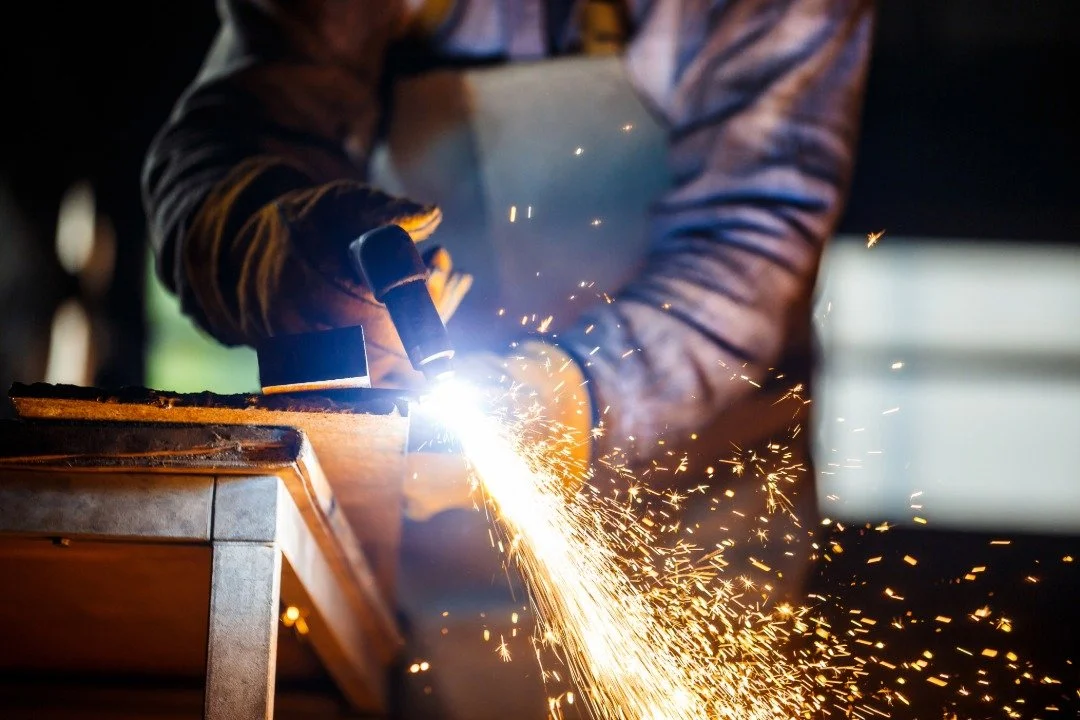
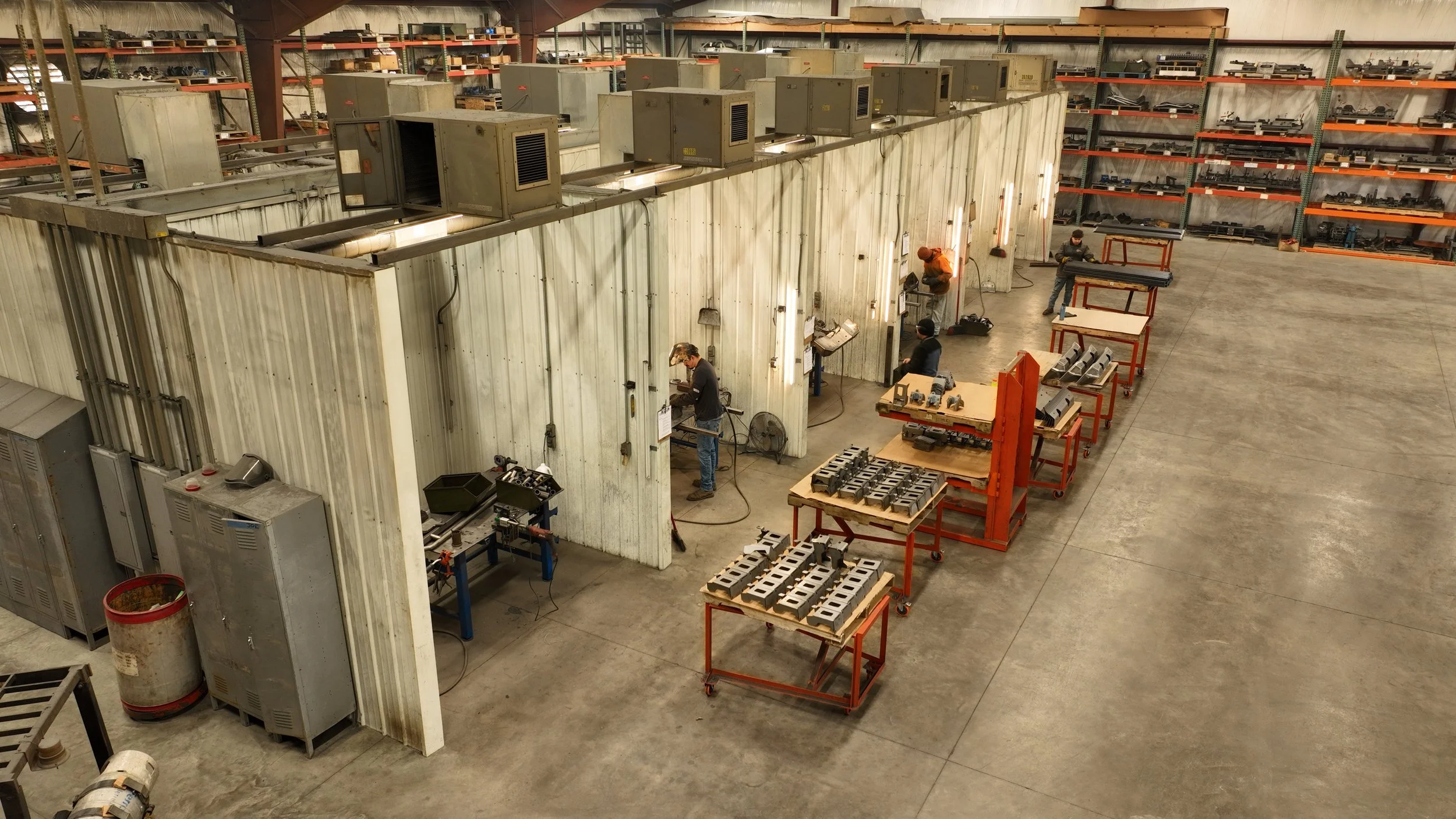
The welding process at a metal fabrication facility involves permanently joining metal components using heat, pressure, or filler material to create strong, precise assemblies that meet structural, safety, and quality specifications.
WELDING
Welding
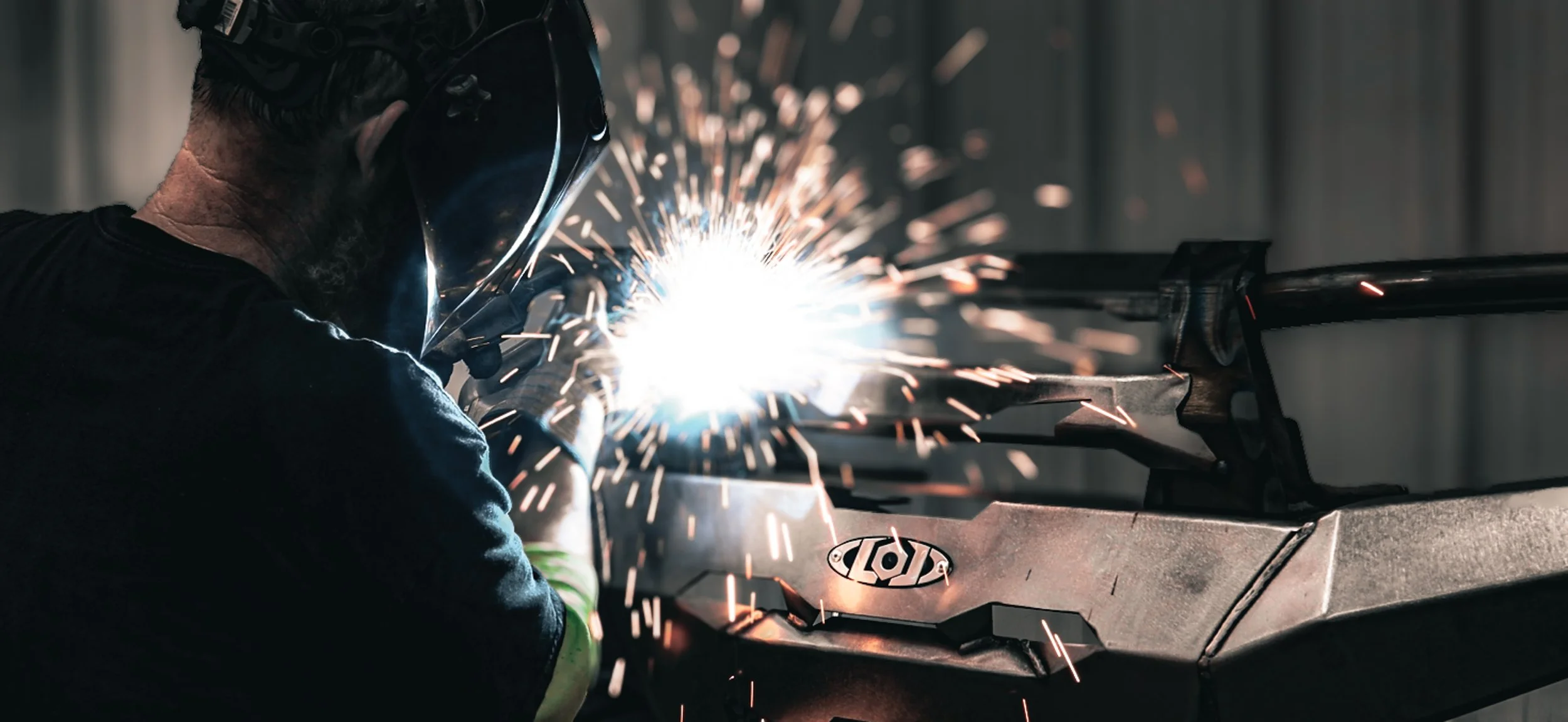
Welding is a metal fabrication process used to permanently join metal components by fusing materials together to form strong, durable connections. It is essential for creating structural integrity in fabricated assemblies.
How It Works
Using controlled heat and filler material, metal parts are joined at the weld joint to create a solid bond. Proper preparation, fit-up, and technique ensure consistent weld quality across assemblies.
Quality & Accuracy
Welding produces strong, reliable joints that meet dimensional and structural requirements. Attention to process control and inspection helps maintain consistency and overall part quality.
Benefits
This process enables the assembly of complex components and structures while maintaining strength and durability. Welding is commonly used on steel, stainless steel, aluminum, and other alloys, supporting both prototype and production fabrication.

FASTENER SPOT WELDING
Fastener Spot Welding
Fastener spot welding is a metal fabrication process used to permanently attach threaded fasteners, studs, or nuts to sheet metal surfaces, creating secure attachment points for assembly.
How It Works
Using controlled electrical current and pressure, the fastener is spot-welded to the base material at precise locations. The heat generated fuses the fastener to the metal without penetrating through the sheet.
Quality & Accuracy
This process produces strong, consistent welds with accurate fastener placement and minimal surface distortion, ensuring reliable performance during assembly.
Benefits
Fastener spot welding eliminates the need for drilling or tapping, reducing labor and maintaining material strength. It is ideal for steel, stainless steel, and other compatible metals, supporting efficient, repeatable production and clean finished parts.
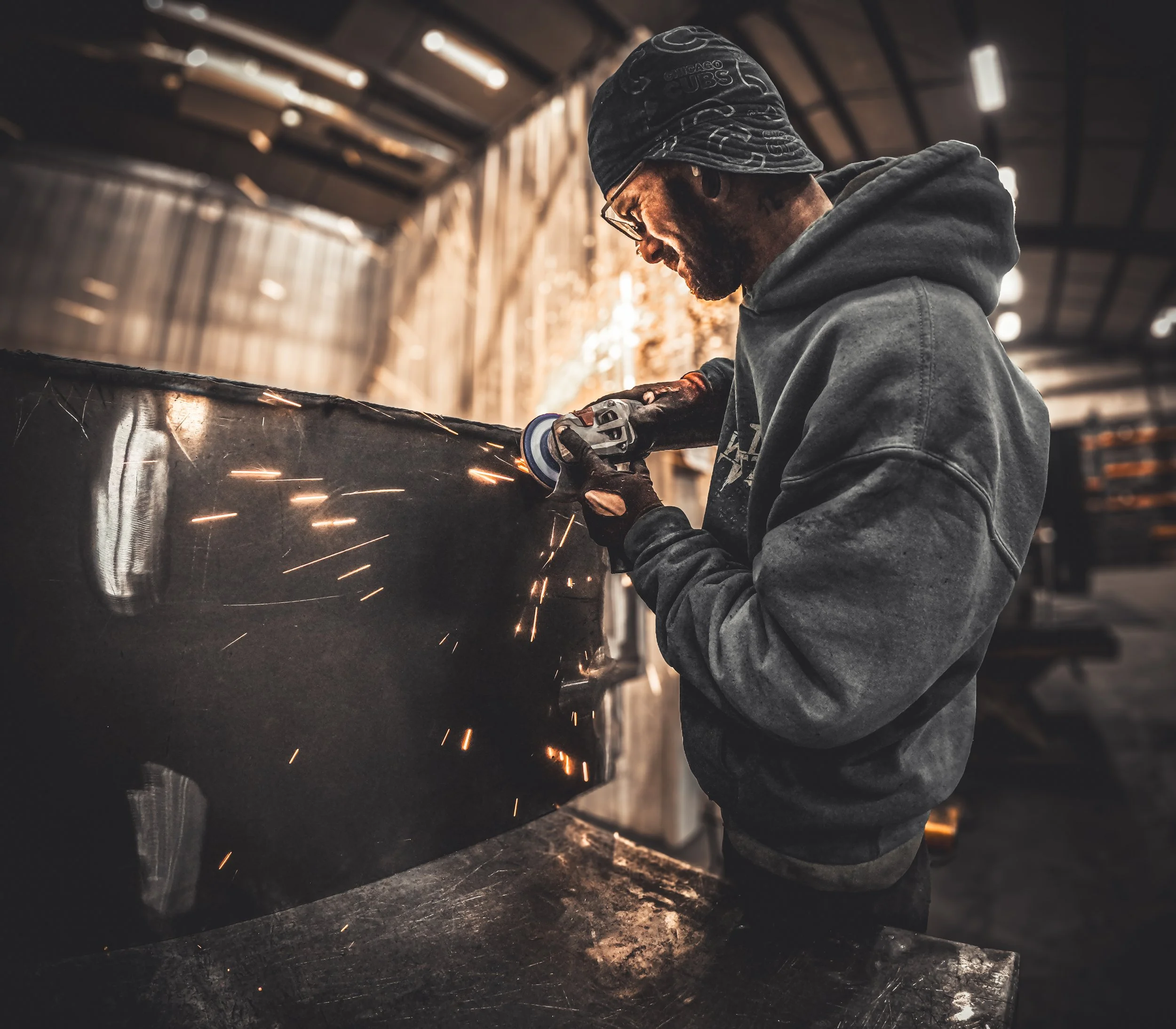
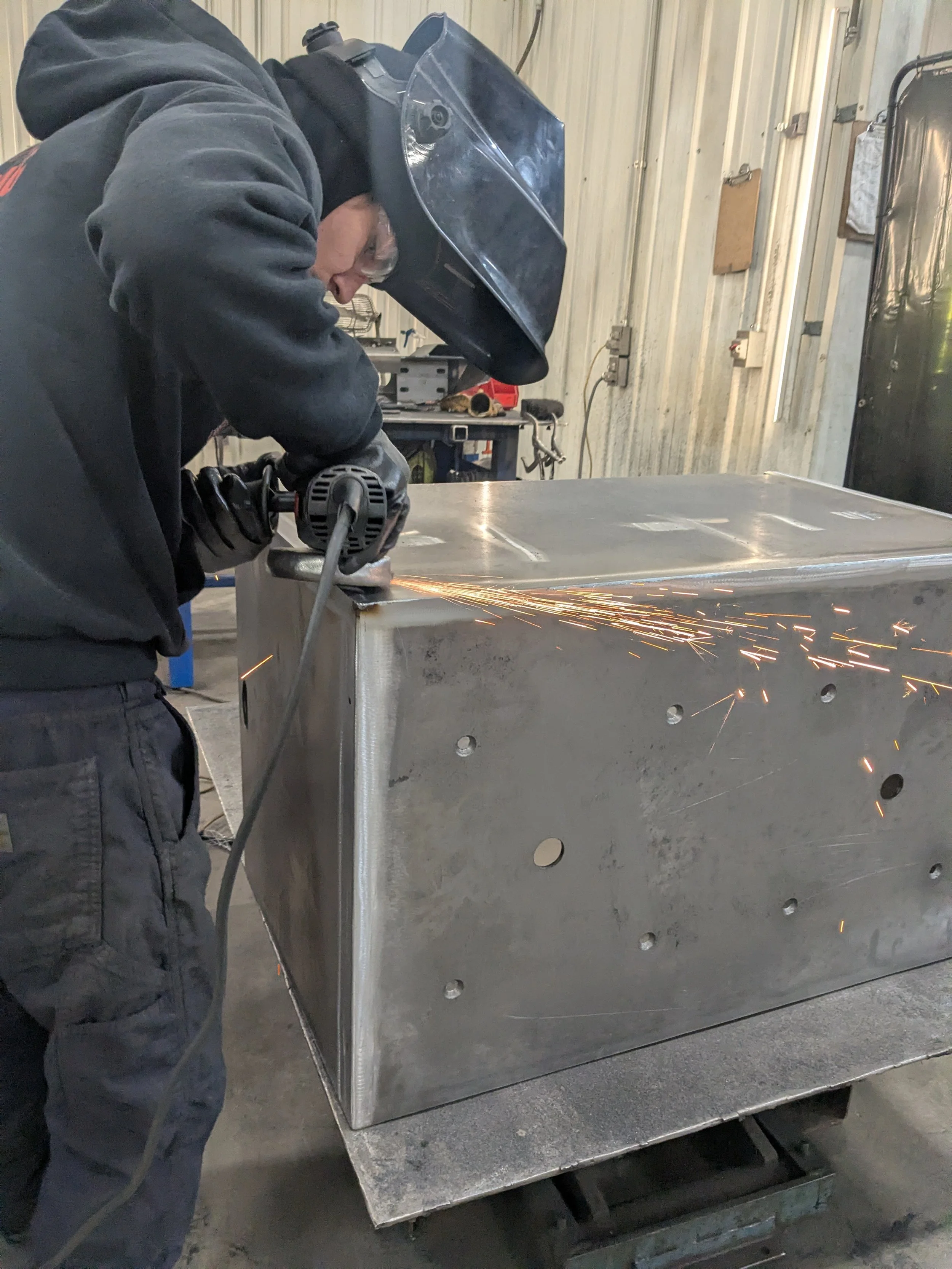
GRINDING
Grinding
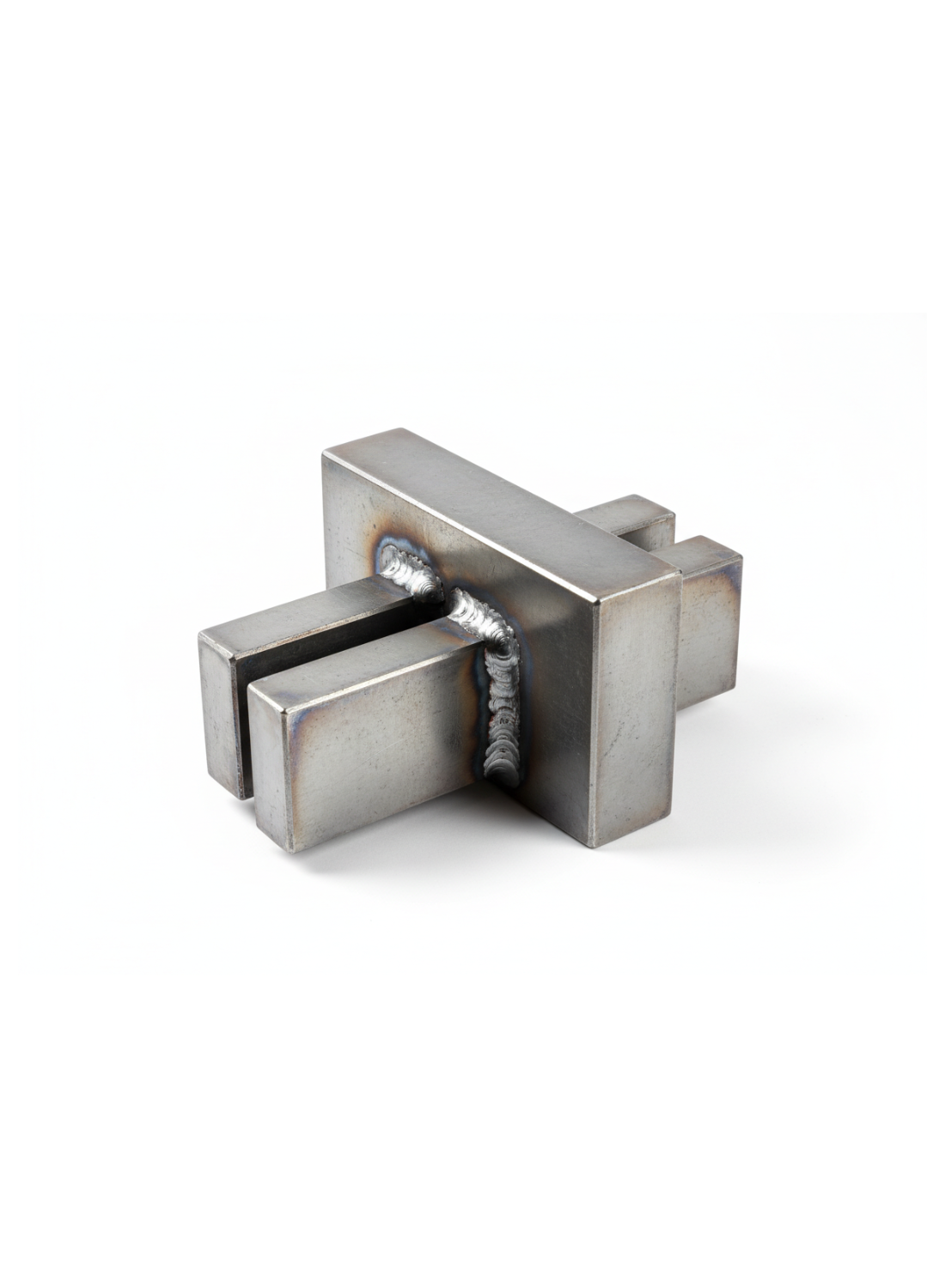
Grinding is a metal finishing process used to remove material, smooth surfaces, and refine edges to achieve precise dimensions and improved surface quality.
How It Works
Using abrasive wheels or belts, controlled pressure is applied to the metal surface to remove excess material, weld spatter, or imperfections. The process is carefully managed to achieve the desired finish.
Quality & Accuracy
Grinding delivers smooth, uniform surfaces with consistent results, helping maintain dimensional accuracy and proper part fit.
Benefits
This process improves appearance, removes sharp edges, and prepares parts for painting, coating, or assembly. Grinding is suitable for steel, stainless steel, aluminum, and other metals, supporting both functional and aesthetic requirements.
Plasma Cutting
Fastener Spot Welding
Fastener spot welding is a metal fabrication process used to permanently attach threaded fasteners, studs, or nuts to sheet metal surfaces, creating secure attachment points for assembly.
How It Works
Using controlled electrical current and pressure, the fastener is spot-welded to the base material at precise locations. The heat generated fuses the fastener to the metal without penetrating through the sheet.
Quality & Accuracy
This process produces strong, consistent welds with accurate fastener placement and minimal surface distortion, ensuring reliable performance during assembly.
Benefits
Fastener spot welding eliminates the need for drilling or tapping, reducing labor and maintaining material strength. It is ideal for steel, stainless steel, and other compatible metals, supporting efficient, repeatable production and clean finished parts.
Plasma Cutting
Plasma cutting is a high-energy metal cutting process used to cut electrically conductive materials with speed and efficiency. It is commonly used for cutting plates and thicker materials where fast turnaround and flexibility are required.
How It Works
The process uses an electrical arc and compressed gas to create plasma, which melts the metal along the cutting path. The high-velocity gas removes molten material to produce a clean, continuous cut.
Quality & Accuracy
Plasma cutting delivers consistent cut quality with smooth edges and reliable dimensional accuracy when process parameters are properly controlled.
Benefits
This process offers fast cutting speeds and cost-effective performance for carbon steel, stainless steel, aluminum, and other conductive metals. Plasma cutting supports both prototype and production fabrication and integrates efficiently into metal fabrication workflows.
Plasma Cutting