

Drilling & Threading
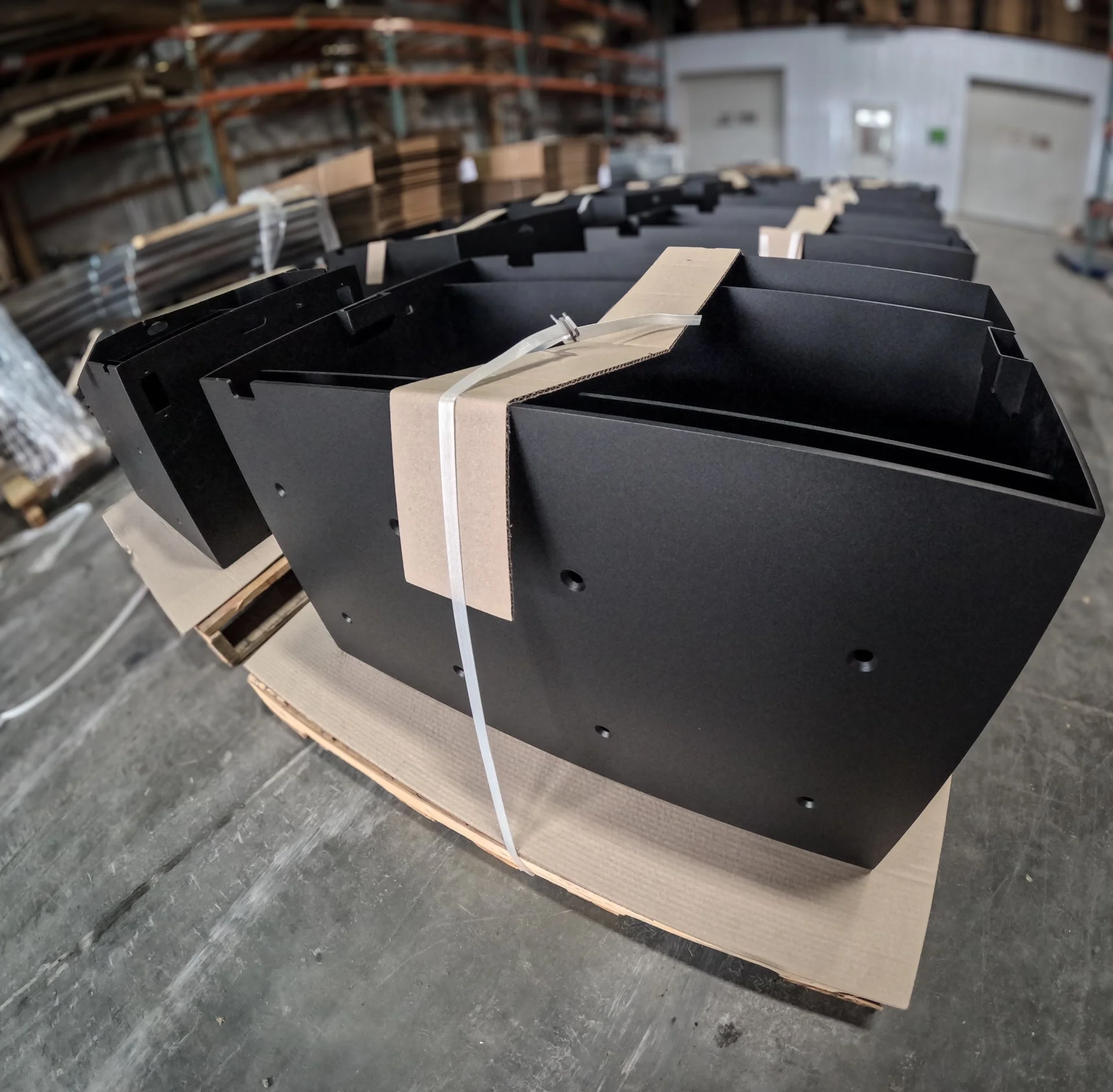
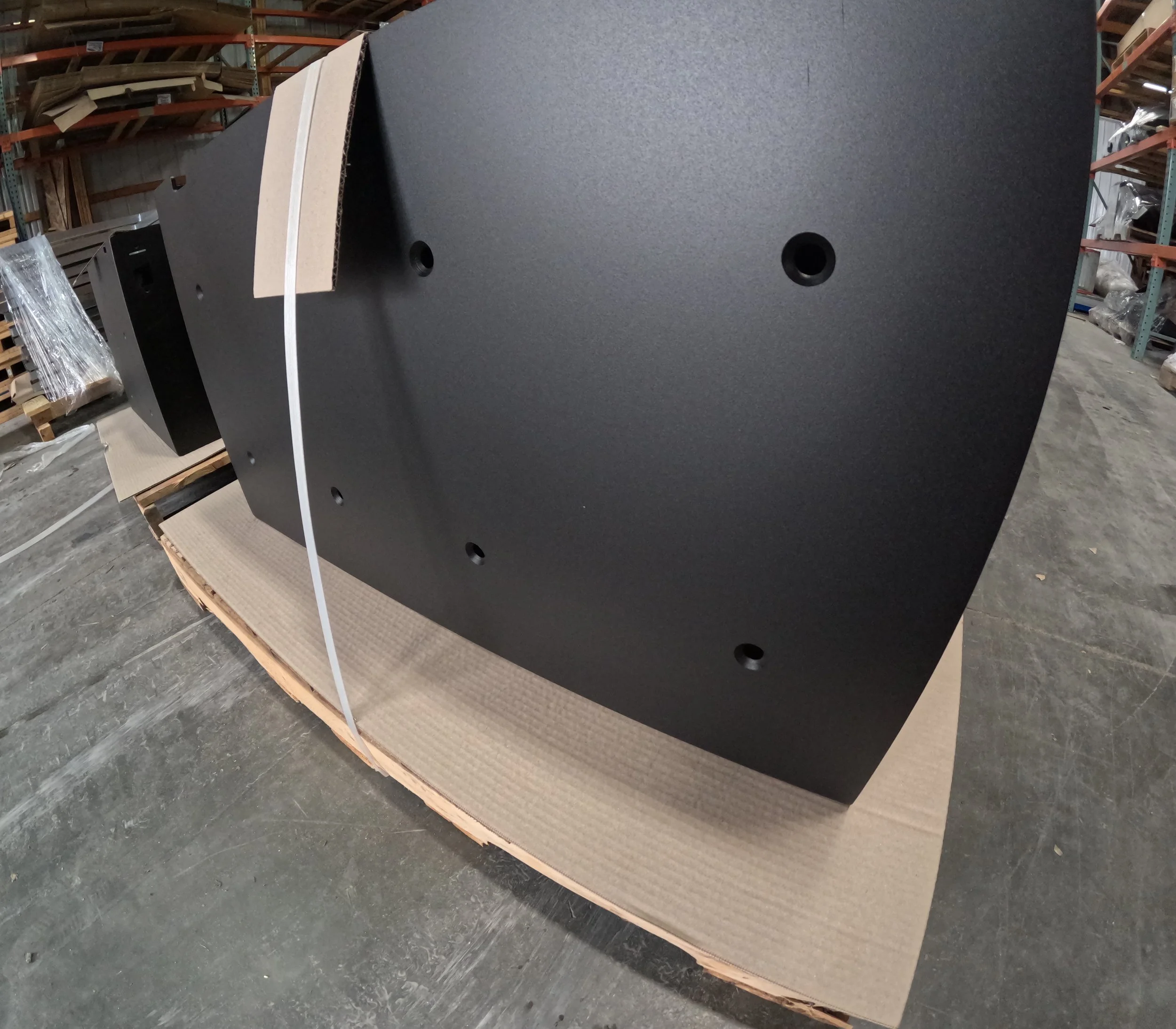
Drilling and threading are precision metal fabrication processes used to create accurate holes and internal threads that allow components to be securely fastened during assembly. These processes are essential for achieving proper fit, strength, and repeatability in fabricated parts.
How It Works
The drilling process creates holes at specified locations, diameters, and depths using cutting tools designed for the material type and thickness. Once drilled, threading is performed using taps or thread-forming tools to create internal threads that match fastener specifications. Tool selection, cutting speeds, lubrication, and alignment are carefully controlled to ensure clean hole geometry and accurate thread profiles. Proper setup allows these operations to be performed efficiently while maintaining consistency across parts.
Quality & Accuracy
Drilling and threading deliver precise hole sizes, consistent thread engagement, and reliable fastener fit. Process control and inspection help maintain tight tolerances and ensure threads meet strength and performance requirements. Attention to technique minimizes burrs, tool wear, and material distortion, preserving overall part quality.
Benefits
These processes provide secure, reusable fastening solutions without the need for additional hardware. Drilling and threading support both prototype and production fabrication and are suitable for steel, stainless steel, aluminum, and other metals. They improve assembly efficiency, enhance structural integrity, and ensure consistent, professional results across a wide range of applications.
DRILLING / THREADING