
PACKAGING
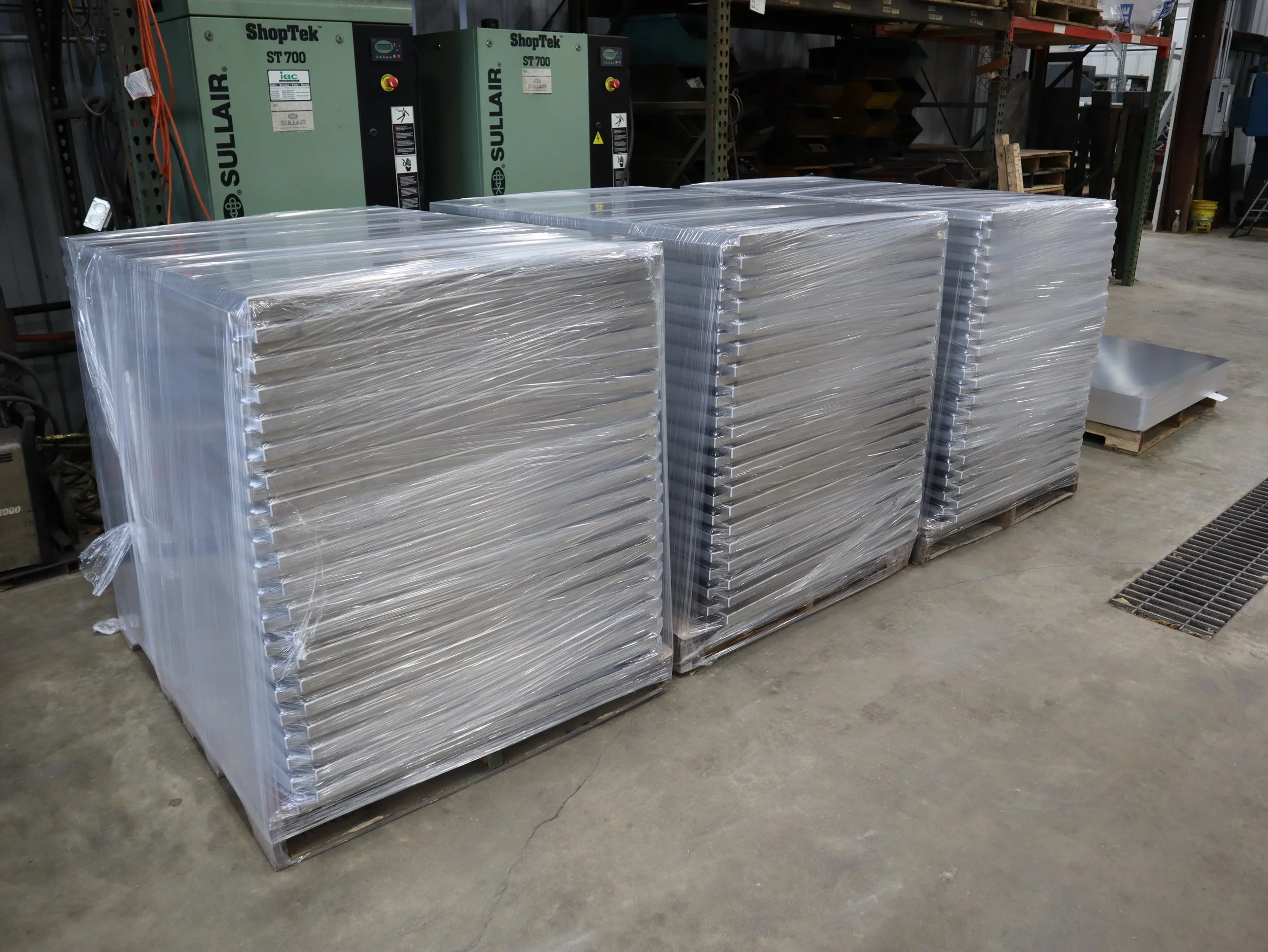
Packaging
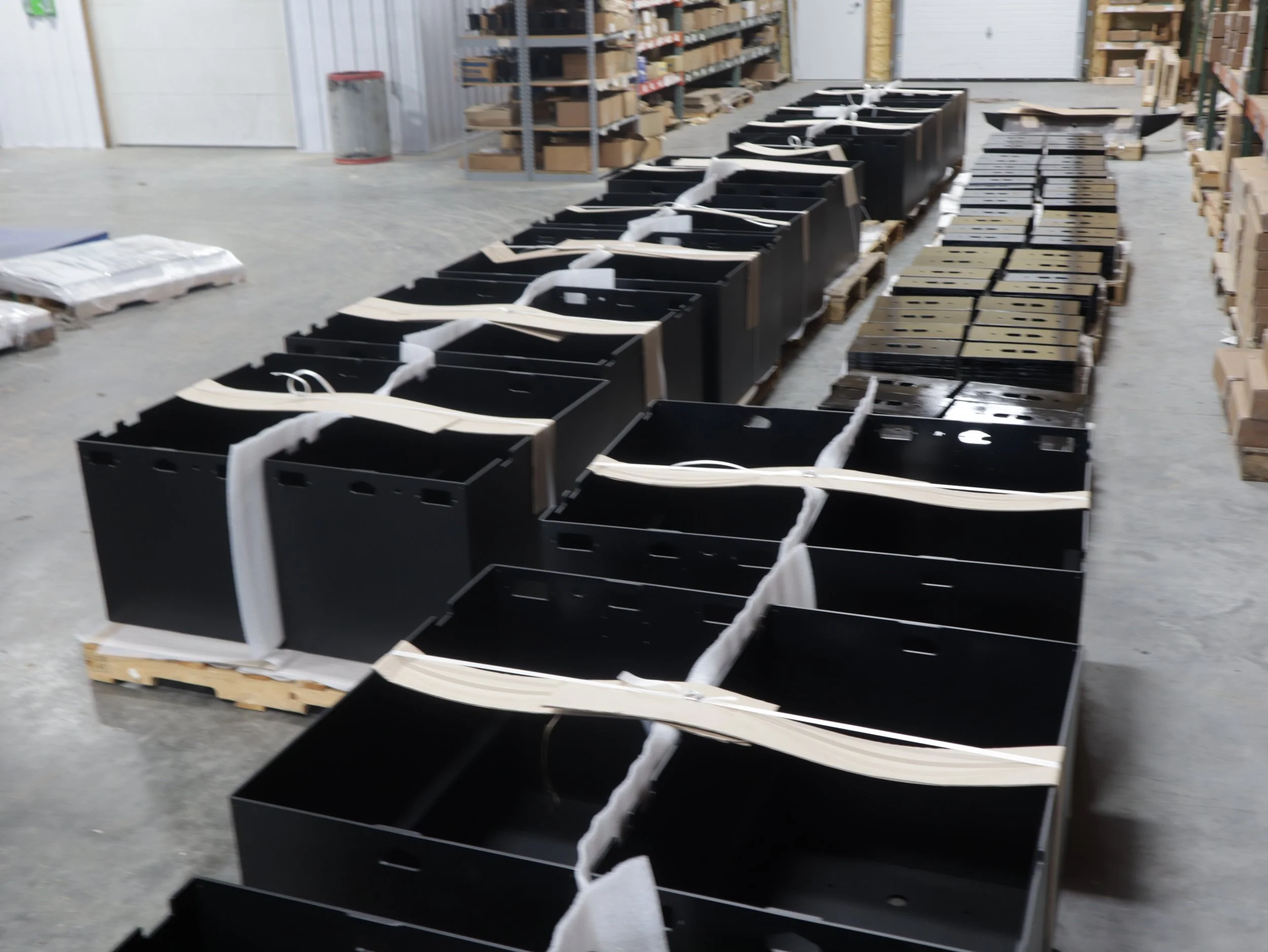
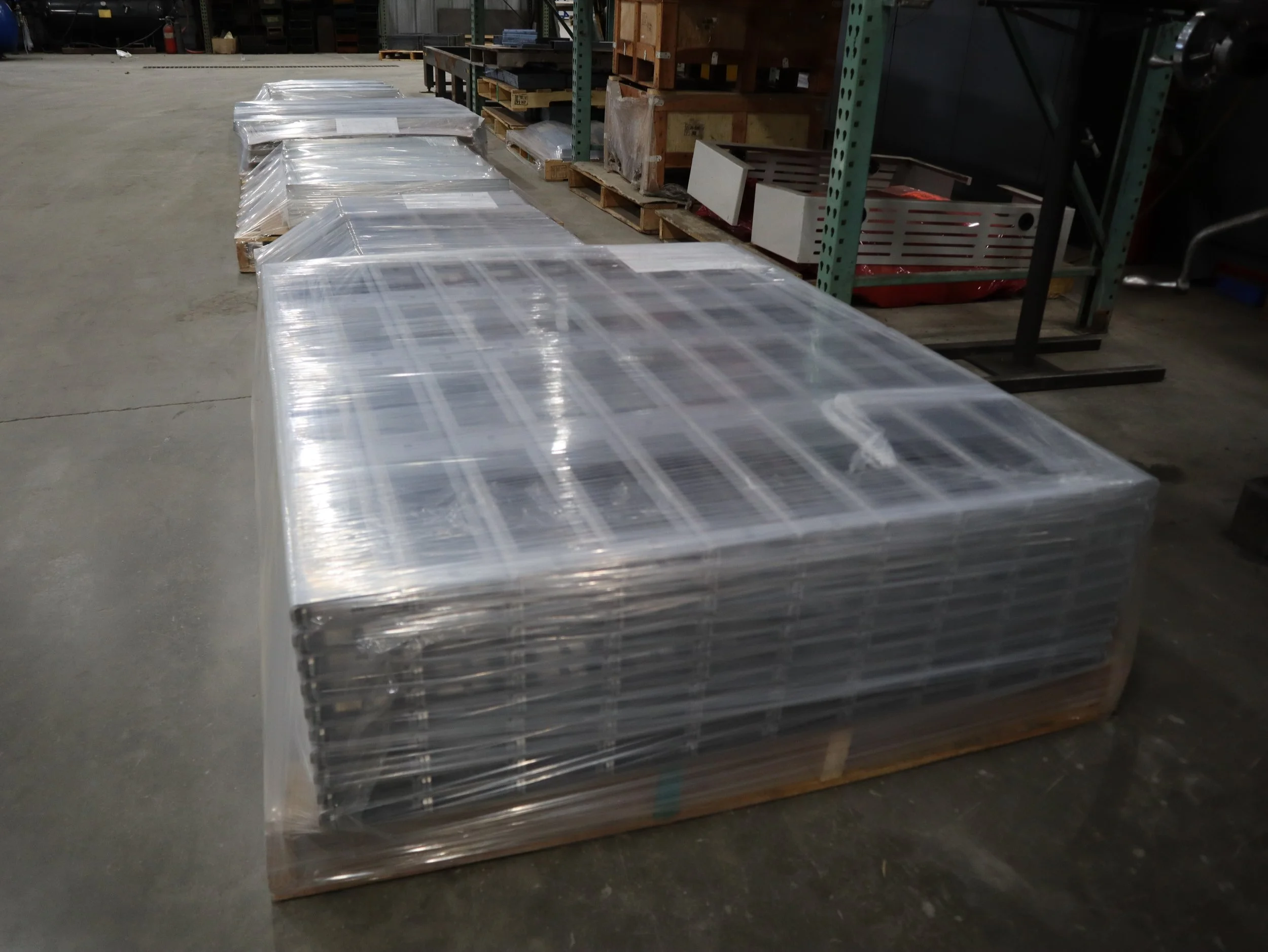
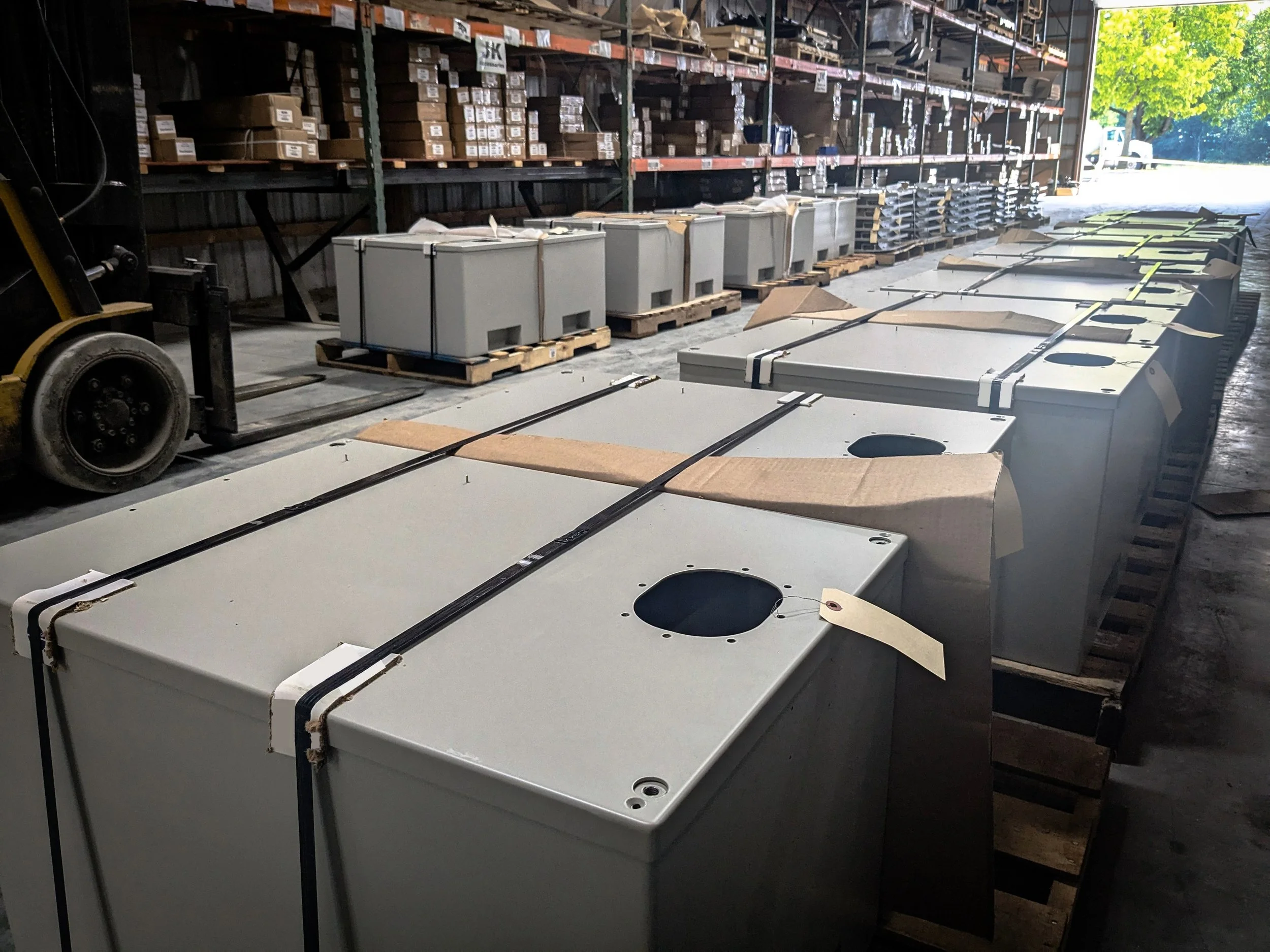
Packaging is a critical final operation in the metal fabrication process, designed to protect finished parts and assemblies from damage during handling, storage, and transportation. Proper packaging ensures that components arrive at their destination in optimal condition and ready for use.
How It Works
Once parts have passed final inspection, they are prepared for packaging based on size, weight, geometry, and surface finish requirements. Components are cleaned if necessary, grouped by order, and packaged using appropriate protective materials such as wraps, foam, separators, cartons, pallets, or custom-built containers. Special care is taken to prevent part movement, surface abrasion, or deformation. Labels and documentation are applied to ensure clear identification, traceability, and proper handling throughout transit. Packaging methods are selected to align with shipping conditions and customer specifications.
Quality & Accuracy
Packaging procedures focus on maintaining part integrity, finish quality, and order accuracy. Verification steps ensure the correct quantities and components are packaged together. Consistent packaging standards help minimize errors, reduce handling damage, and maintain a professional presentation.
Benefits
Effective packaging reduces the risk of transit damage, delays, and rework while supporting efficient loading and unloading. It contributes to reliable delivery performance and customer satisfaction by ensuring fabricated parts arrive complete, protected, and ready for installation or assembly. Proper packaging reflects a commitment to quality through every stage of the fabrication process, from production to final delivery.