
Forming Capabilities
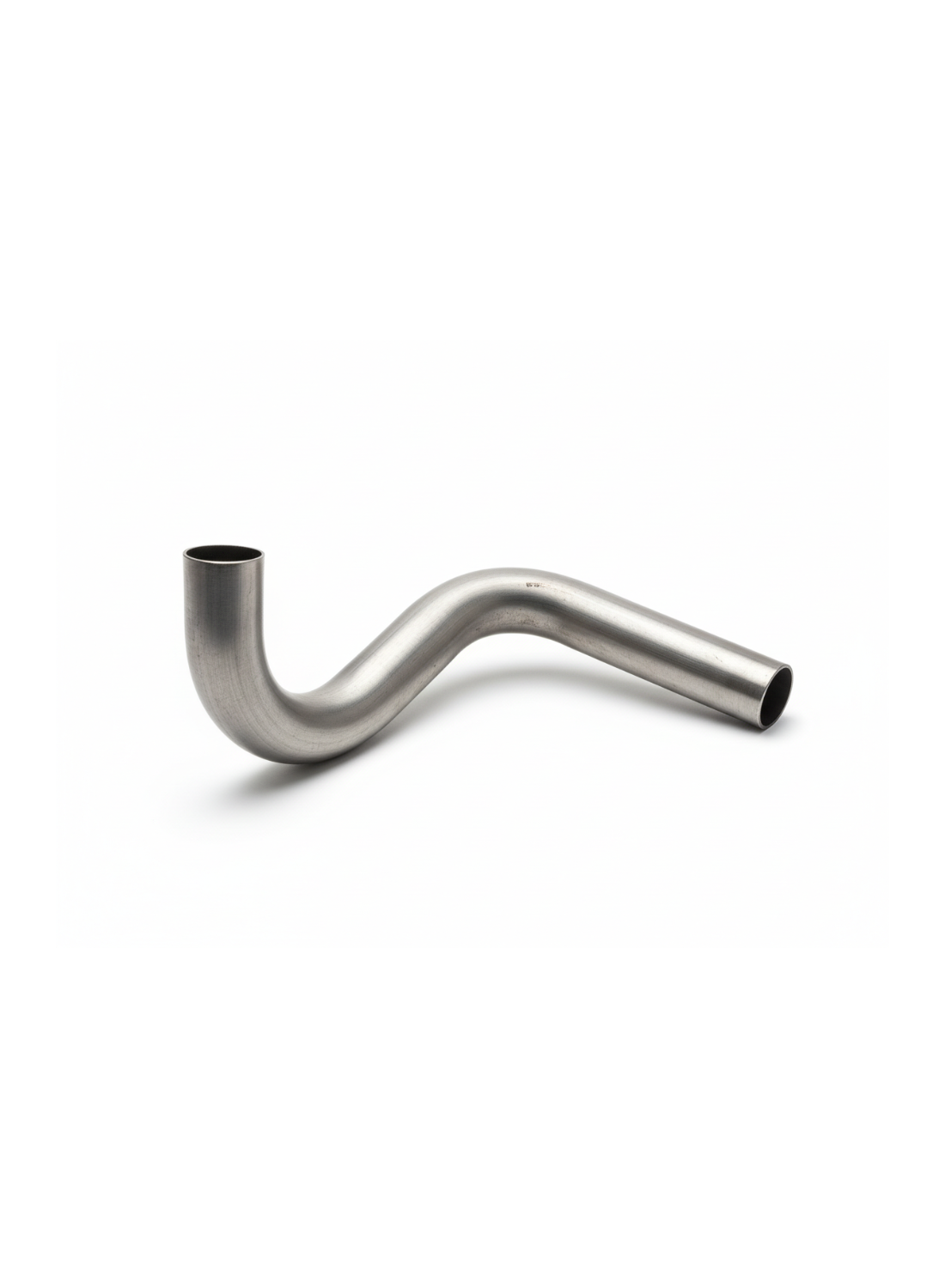
Tube Bending
Tube bending is a metal fabrication process that shapes metal tubing into precise angles and curves using specialized machinery, while maintaining strength, accuracy, and consistent cross-section.
Dimple Forming
Dimple forming is a precision metalworking process where sheet metal is pressed with matched dies to create recessed dimples, strengthening joints and allowing flush fastening for improved fit, strength, and aerodynamics.
Forming
Metal forming shapes flat or solid metal into precise components using presses, rolls, and dies, applying controlled force to bend, stretch, or compress material without removing it.
Forming
Forming
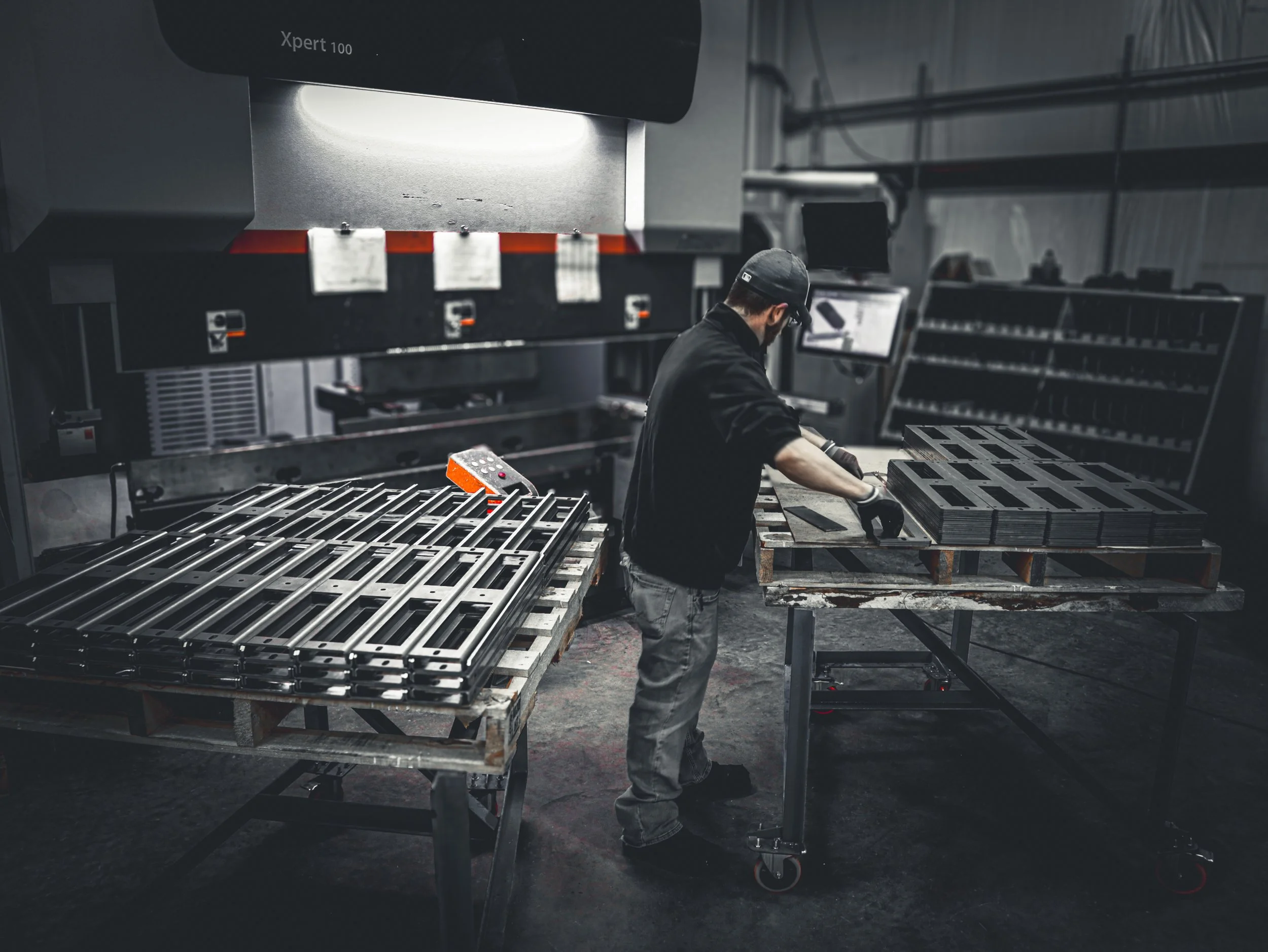
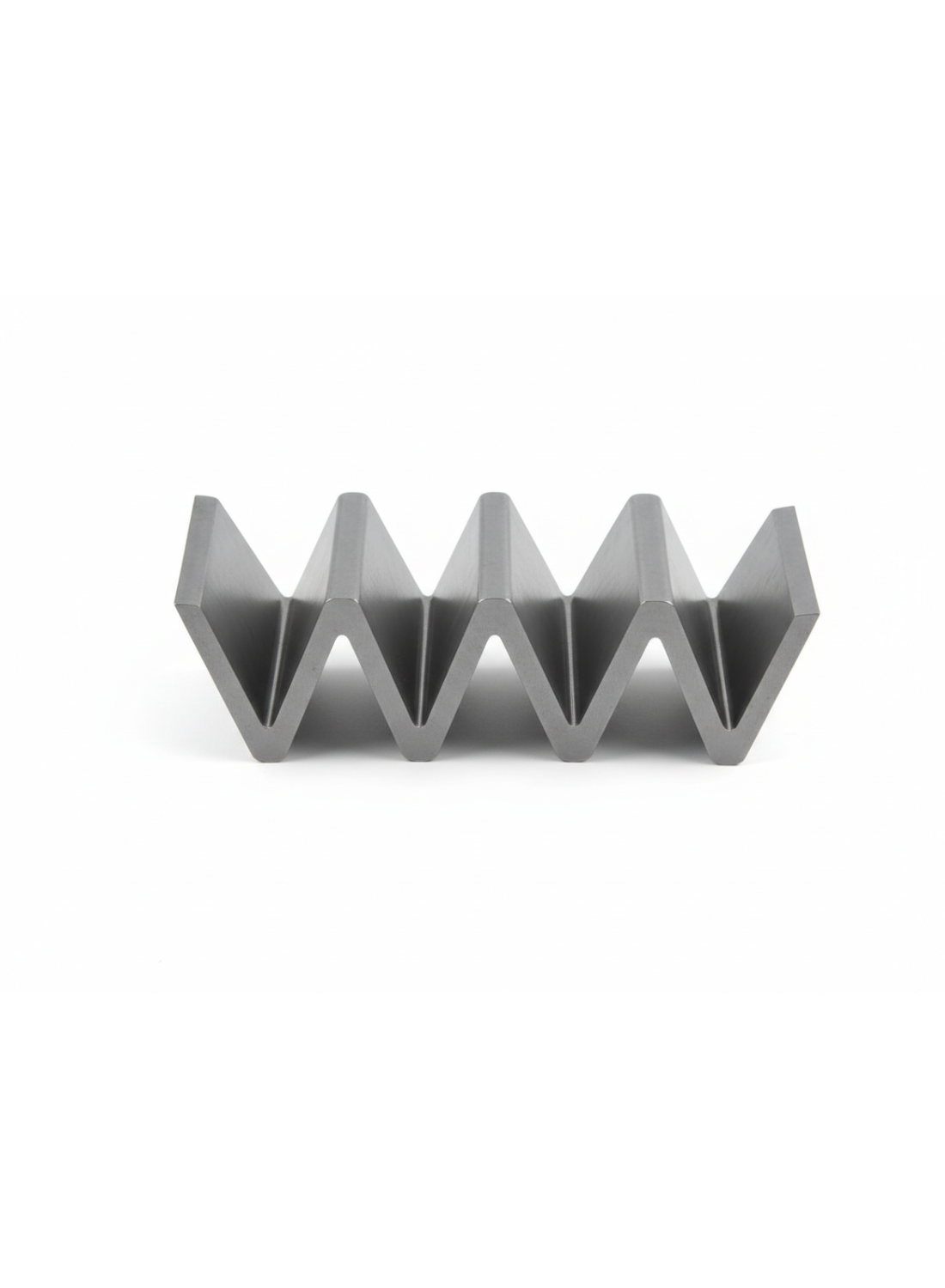
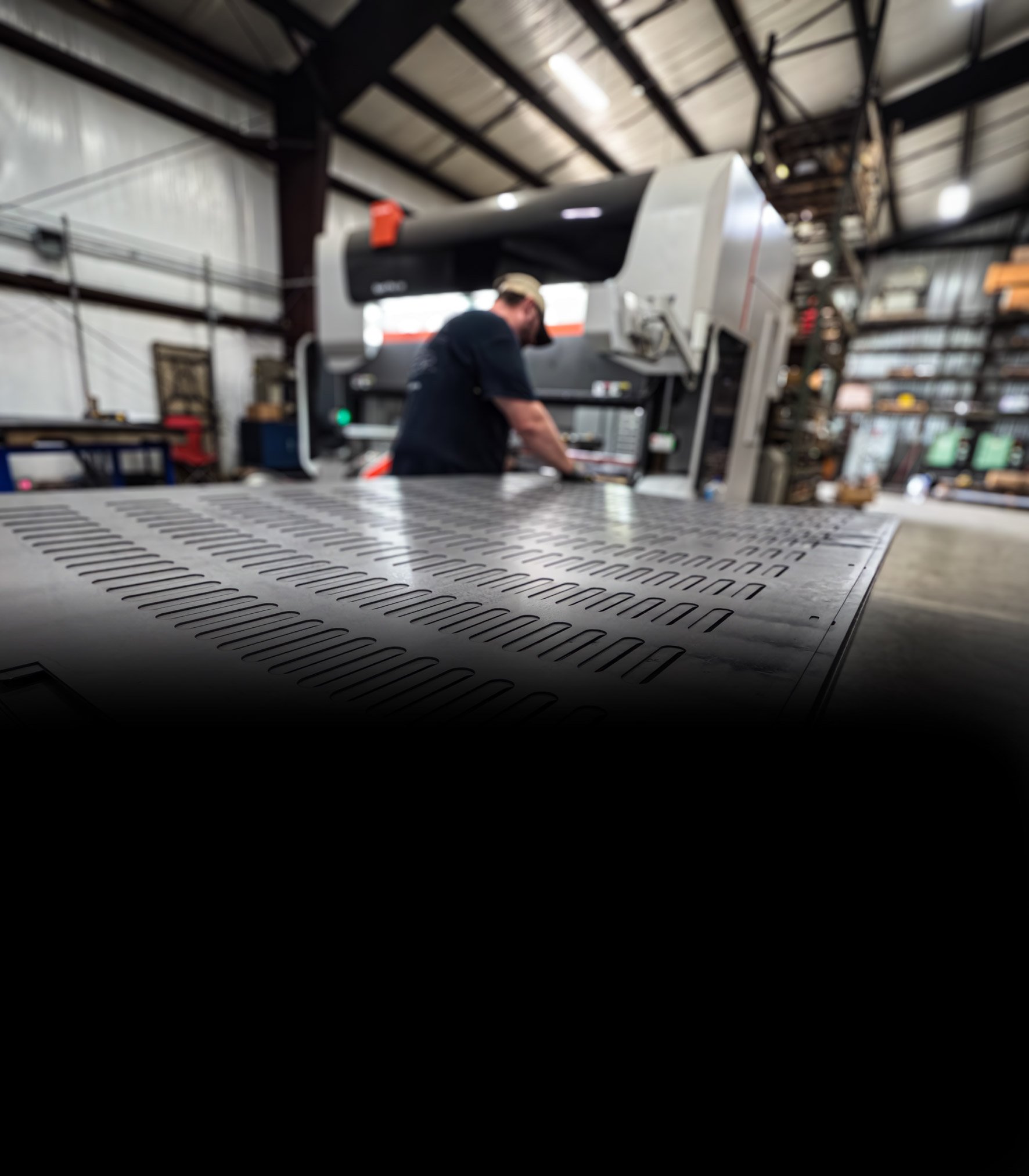
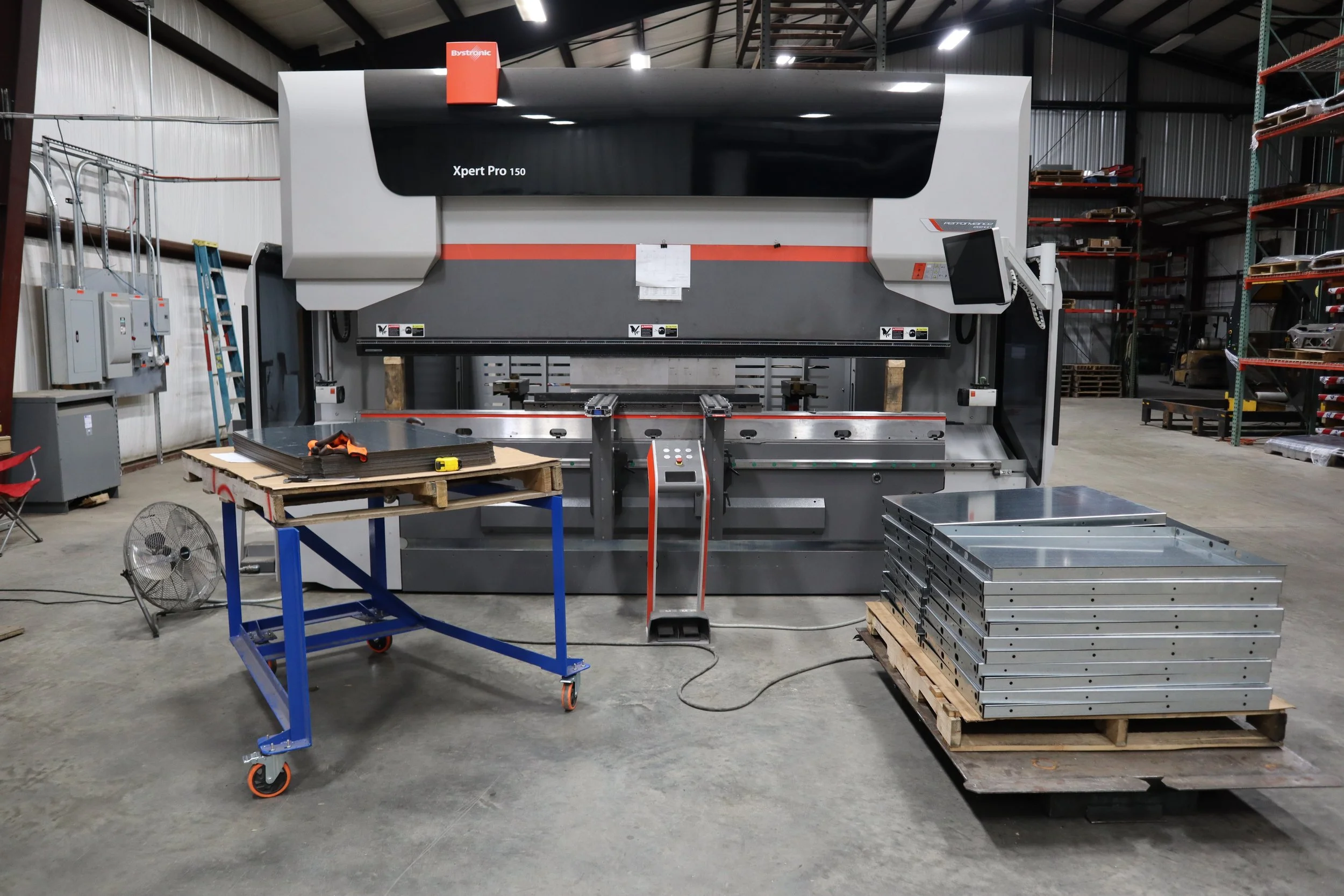
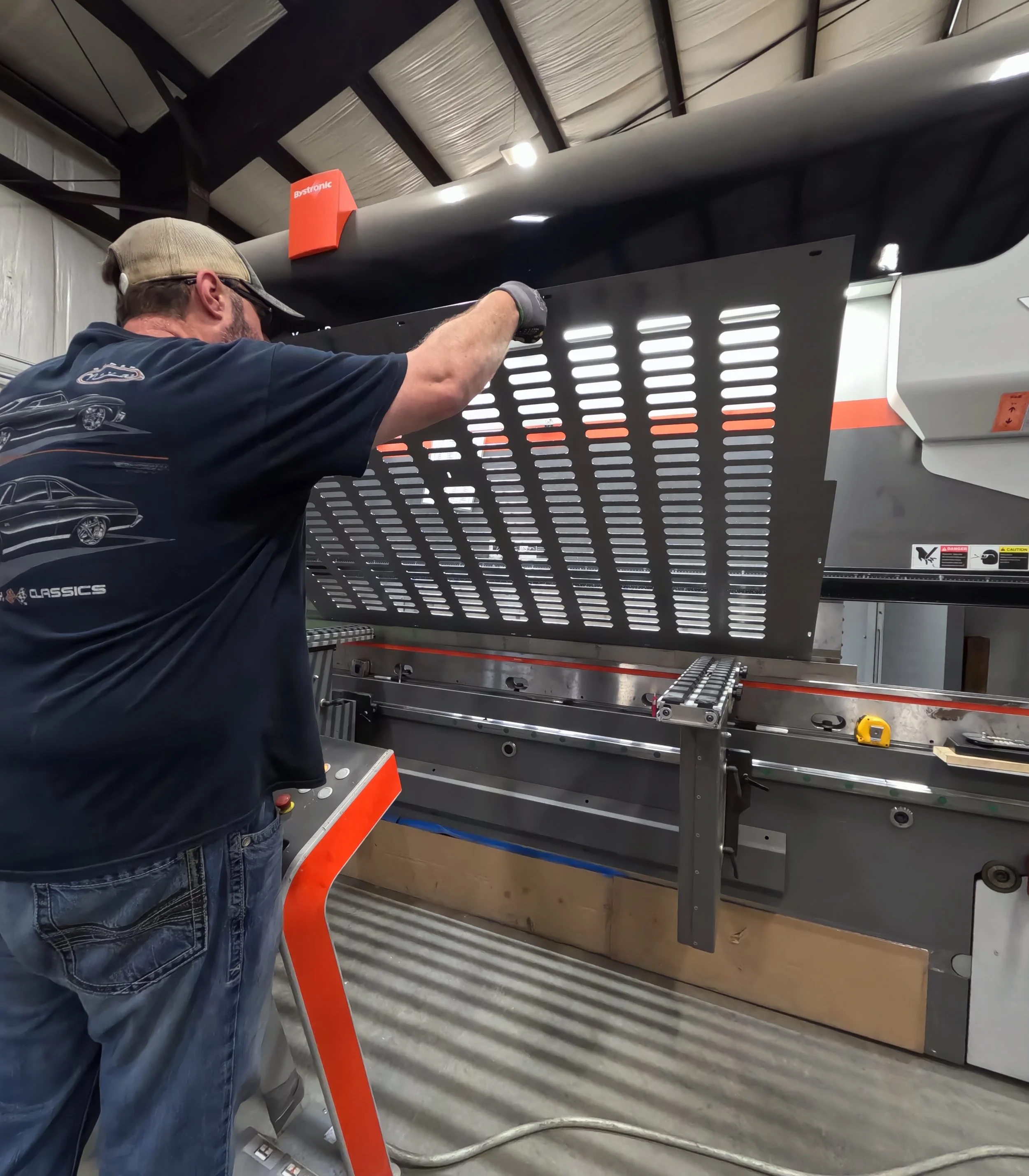
Forming is a metal fabrication process that reshapes sheet metal into precise angles, bends, and contours without removing material. It is commonly used to create functional and structural features in fabricated parts.
How It Works
Using press brakes and precision tooling, controlled force is applied to bend or form the material along programmed lines. CAD/CAM data ensures accuracy and repeatability across production runs.
Quality & Accuracy
Forming delivers consistent bend angles, tight tolerances, and uniform part geometry. Proper tooling and process control help maintain material strength and dimensional accuracy.
Benefits
This process allows complex shapes to be created efficiently while preserving material integrity. Forming is ideal for steel, stainless steel, aluminum, and other alloys, supporting both prototype and production-level fabrication.
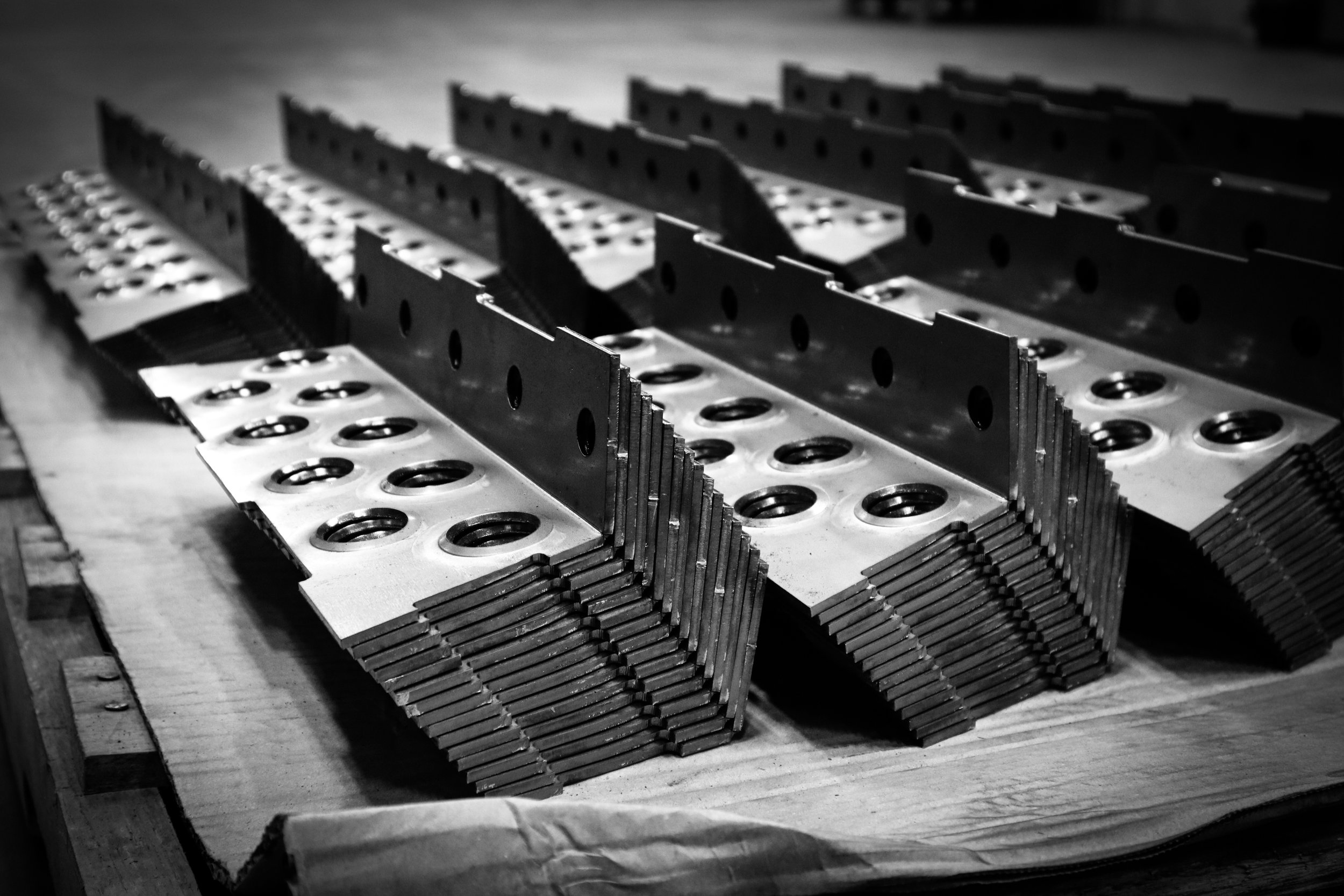
Dimple Forming
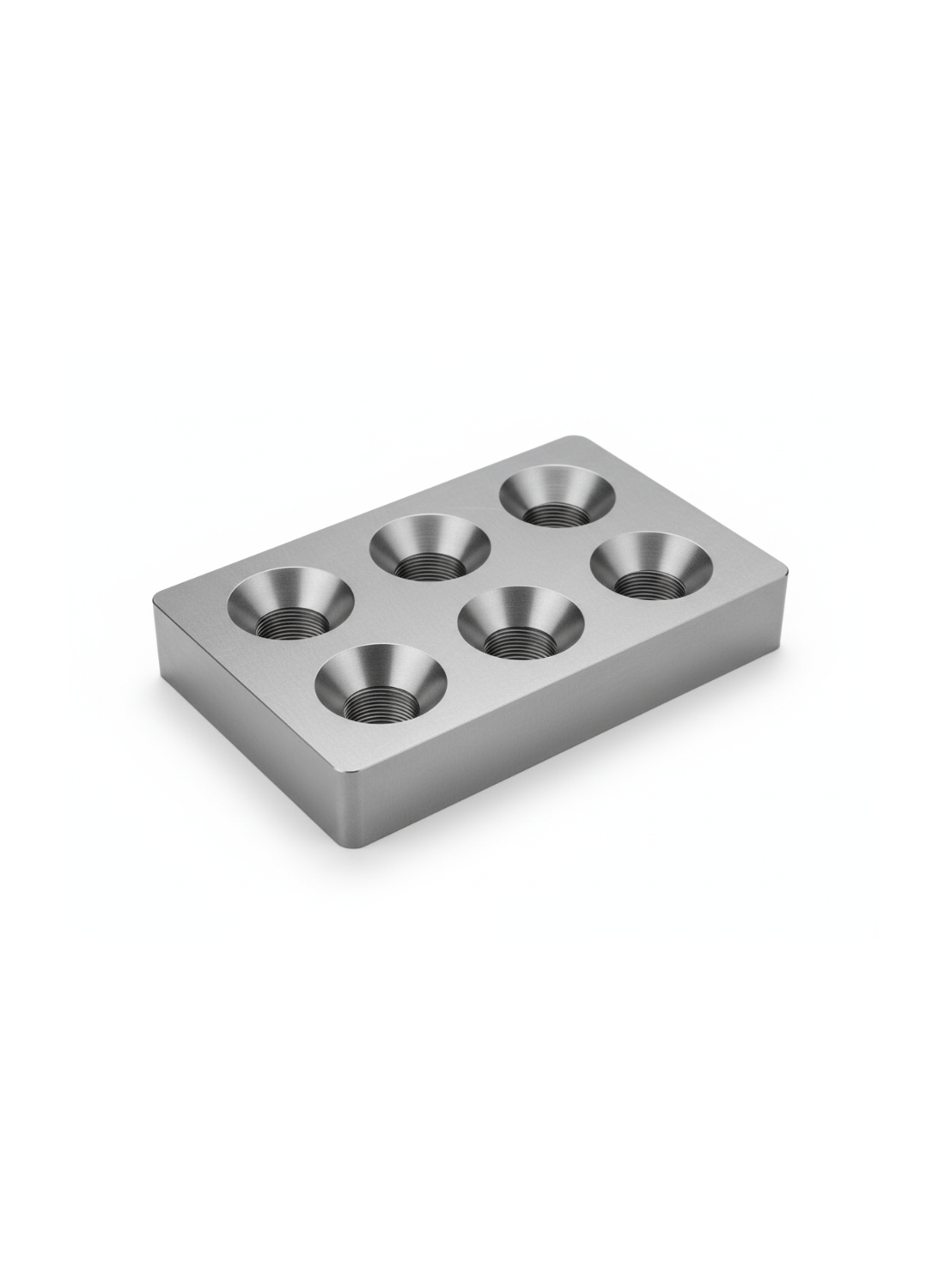
Dimple Forming
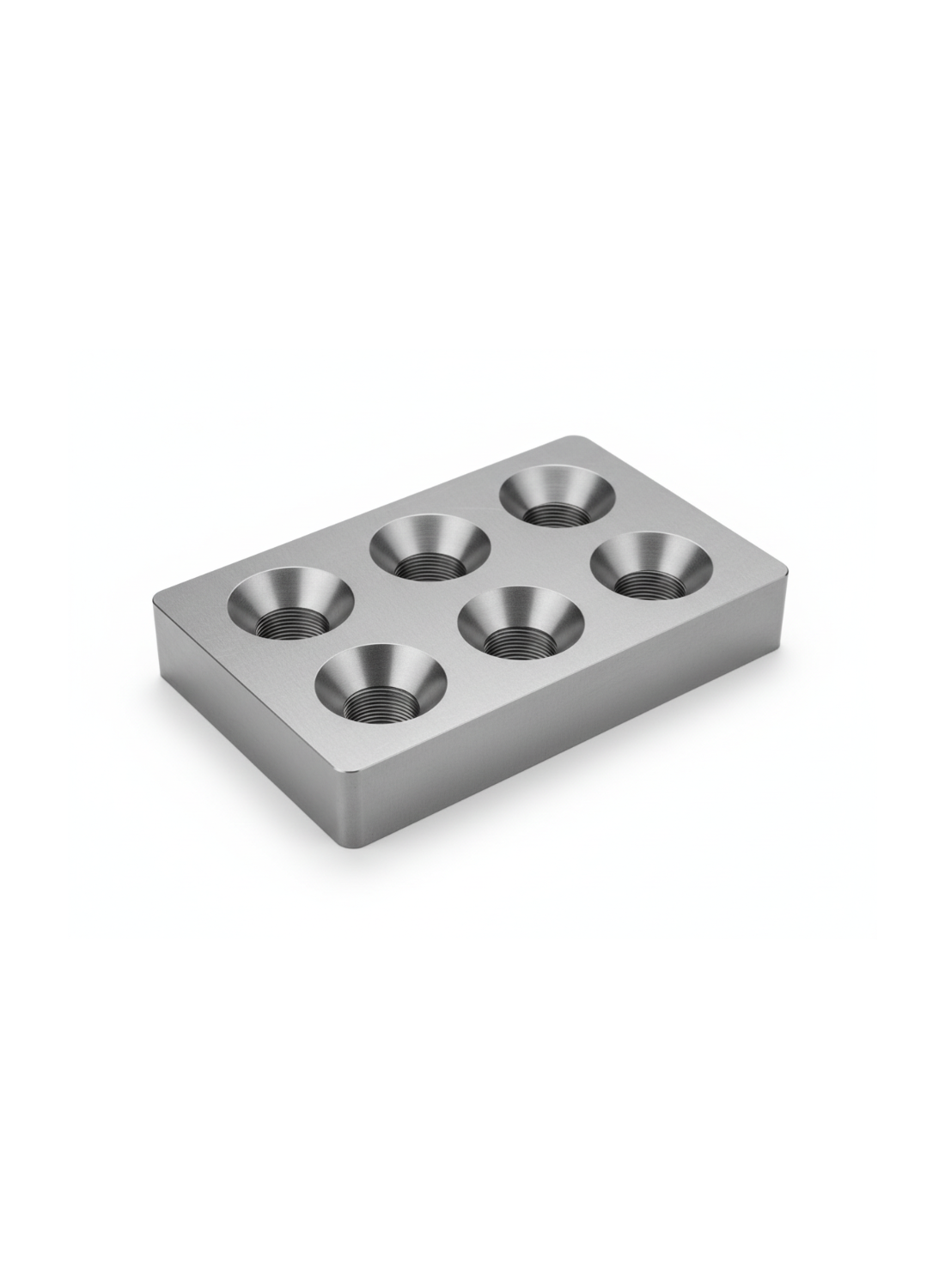
Dimple forming is a metal fabrication process used to create recessed or raised dimples in sheet metal to add strength, allow fastener clearance, or improve part fit and alignment.
How It Works
Using precision punch and die tooling or press equipment, controlled force forms the material into a consistent dimple shape without removing metal. The process is guided by accurate tooling and setup to ensure repeatable results.
Quality & Accuracy
Dimple forming produces uniform, clean features with consistent depth and diameter, maintaining tight tolerances while preserving material integrity.
Benefits
This process enhances structural rigidity, reduces material stress around fasteners, and improves assembly quality. Dimple forming is commonly used on steel, stainless steel, aluminum, and other sheet metals in both prototype and production applications.
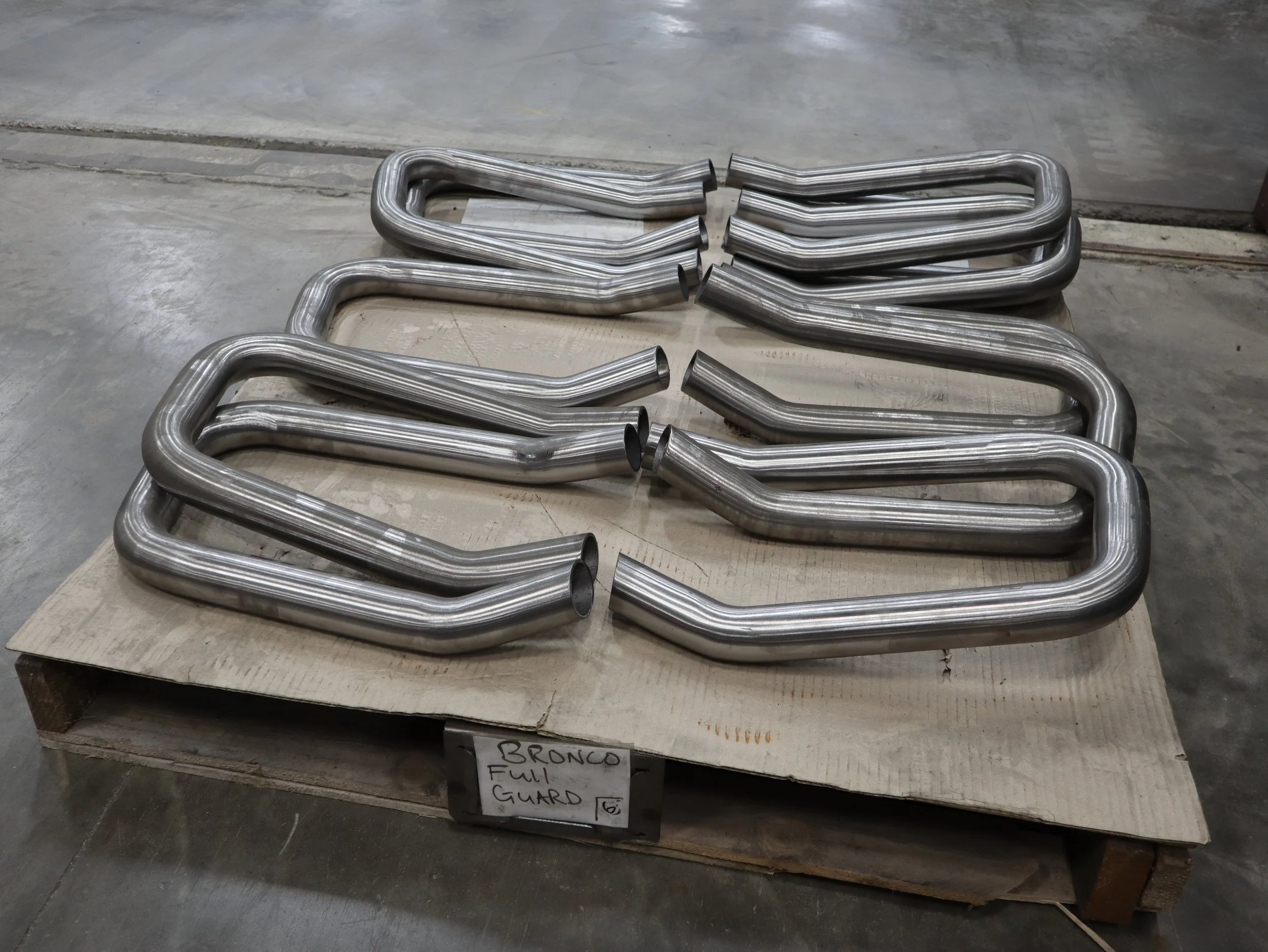
Tube Bending
Tube Bending
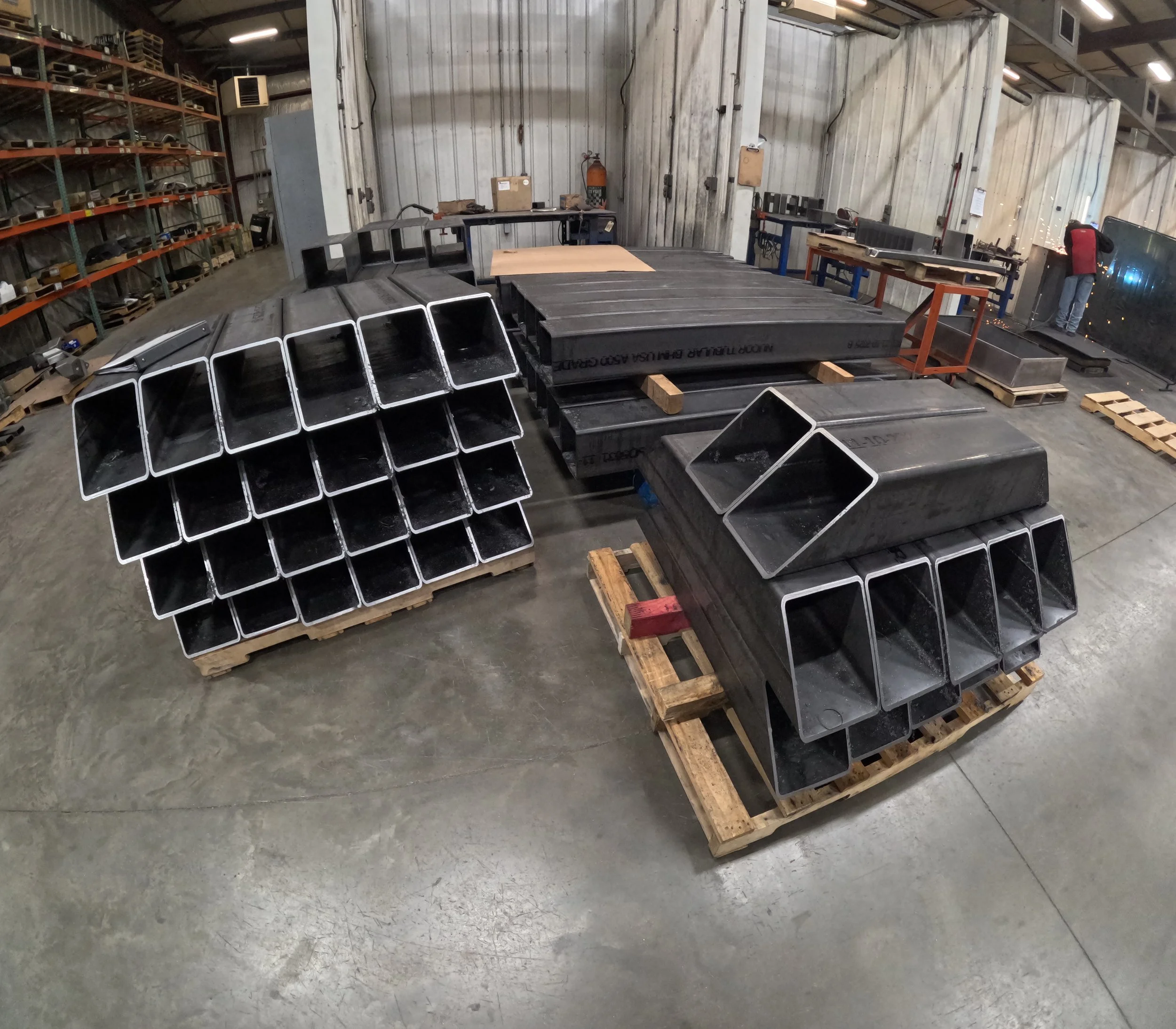
Tube bending is a metal fabrication process used to shape round, square, or rectangular tubing into precise angles and curves without cutting or welding. It is commonly used to create strong, continuous components with smooth transitions.
How It Works
Using dedicated tube-bending equipment and specialized tooling, controlled force is applied to bend the tube to the required shape. Support tooling helps maintain the tube’s cross-section and dimensional integrity during the bending process.
Quality & Accuracy
Tube bending produces consistent bend radii and accurate angles while minimizing distortion, flattening, or wrinkling of the material.
Benefits
This process reduces the need for multiple parts and welds, improving strength, appearance, and efficiency. Tube bending is suitable for steel, stainless steel, aluminum, and other alloys, supporting both simple and complex fabricated components.