
WELDING
Welding
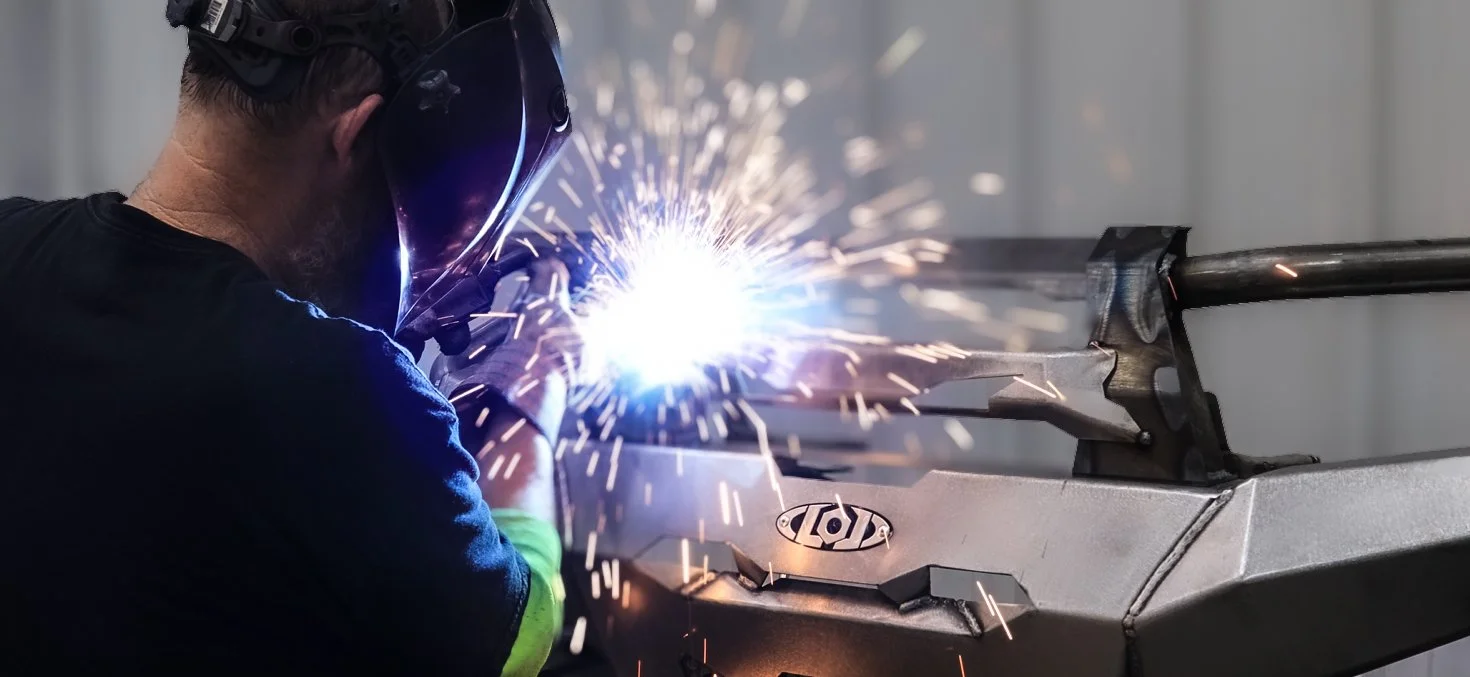
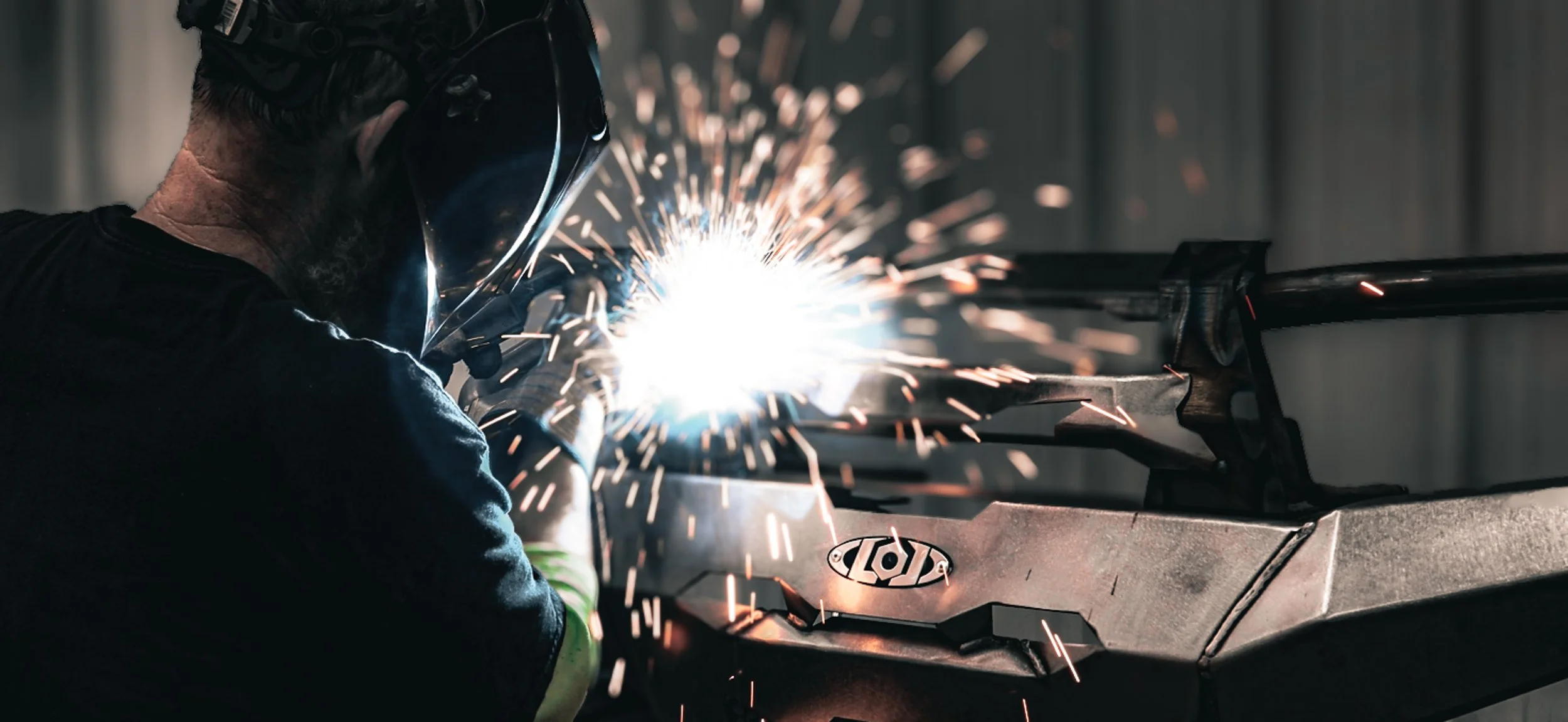
Welding is a critical metal fabrication process used to permanently join metal components into strong, durable assemblies. It plays a central role in creating structural integrity, load-bearing capability, and long-term reliability in fabricated parts and assemblies.
How It Works
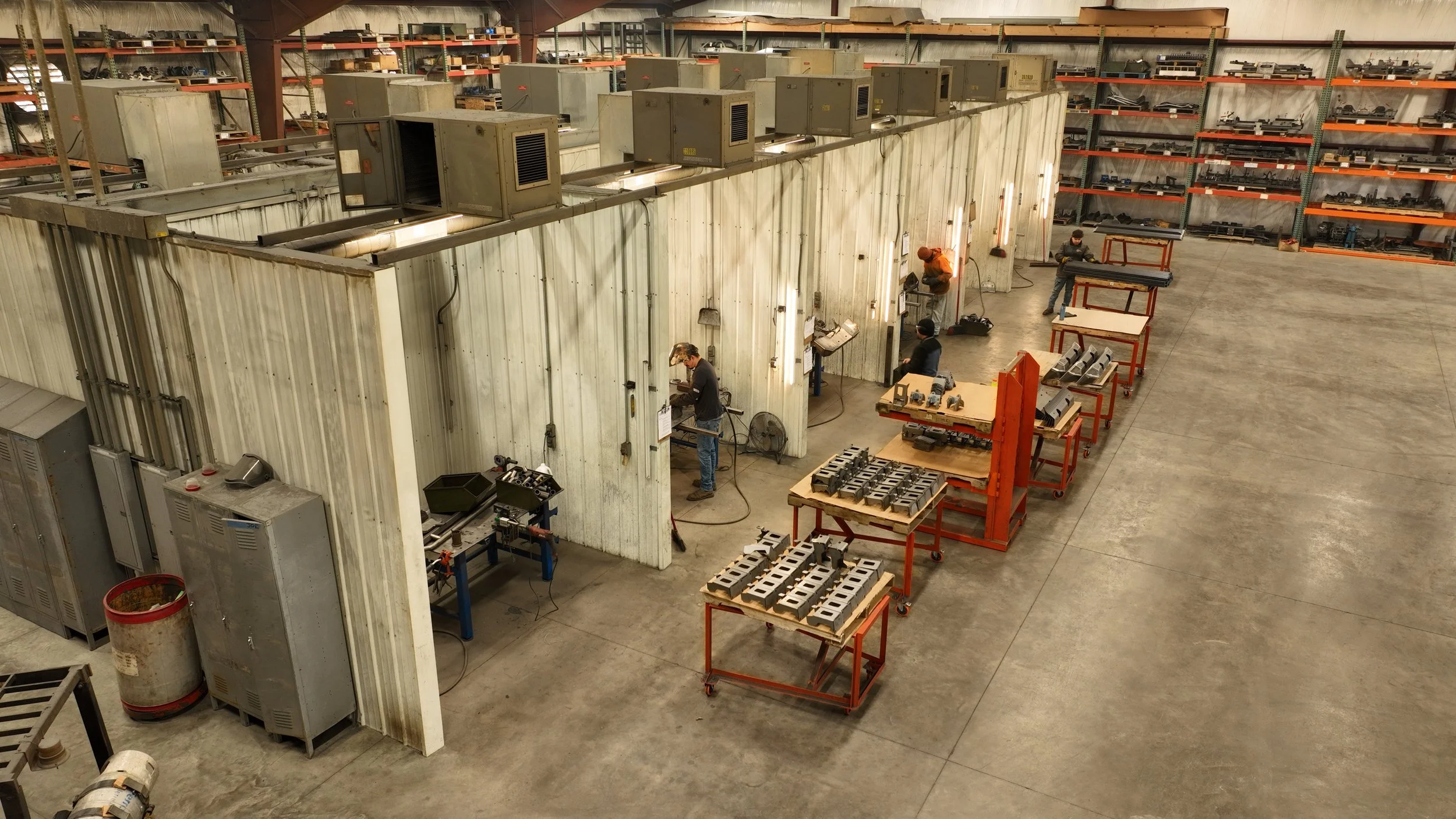
The welding process begins with proper part preparation, including material cleaning, joint design, and accurate fit-up. Using controlled heat, base materials are fused together at the joint, often with the addition of filler material to strengthen the bond. Welding parameters such as heat input, travel speed, and technique are carefully managed to ensure consistent results. Multiple welding methods may be used depending on material type, thickness, and application requirements. Each weld is performed with attention to penetration, bead profile, and overall joint quality.
Quality & Accuracy
Welding produces strong, permanent joints that meet dimensional and structural requirements. Consistent technique, proper sequencing, and inspection help minimize distortion and ensure uniform weld quality. Maintaining accurate alignment and controlling heat input are essential to preserving part geometry and achieving repeatable results across production runs.
Benefits
Welding enables the assembly of complex components and structures while maintaining strength and durability. It allows multiple parts to function as a single, integrated unit, reducing fasteners and simplifying designs. Suitable for steel, stainless steel, aluminum, and other alloys, welding supports both prototype development and production fabrication. This process delivers dependable, long-lasting assemblies that meet functional, structural, and quality expectations.